



What's Happening?
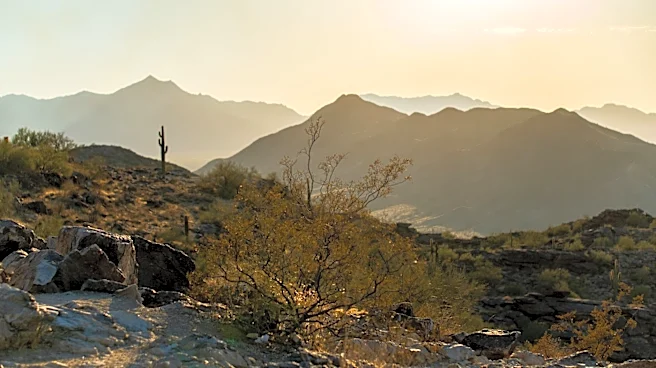
A severe heatwave is currently affecting the Western United States, bringing record-breaking temperatures and increasing the risk of wildfires. The National Weather Service has issued extreme heat warnings for Southern California, with Phoenix reaching
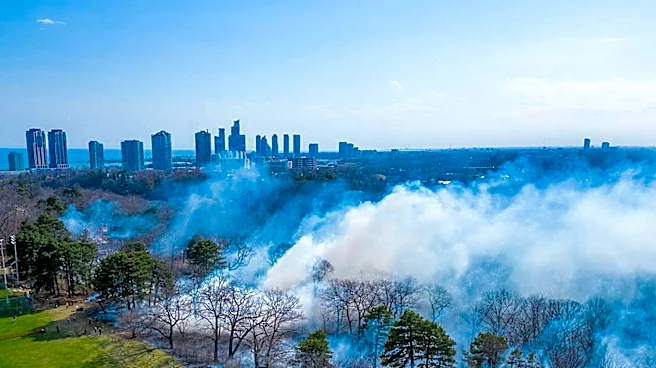
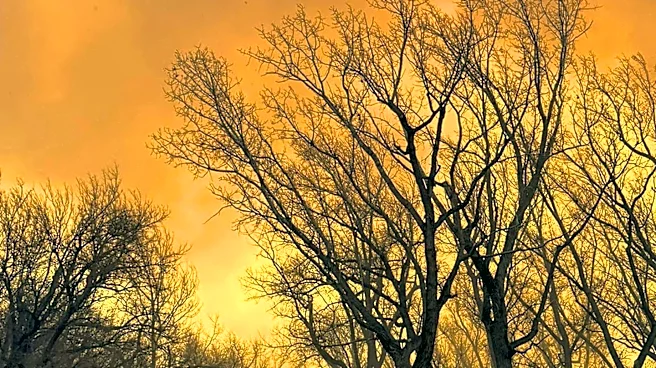
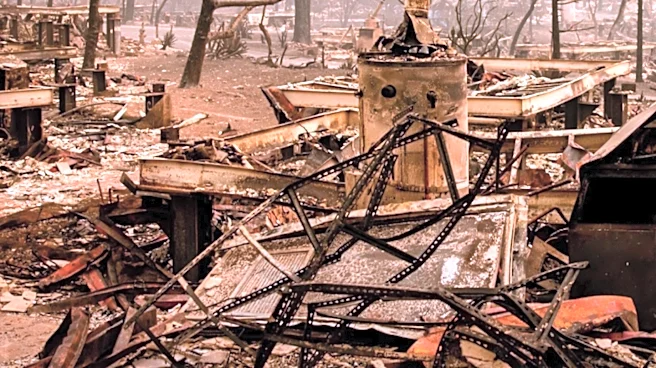
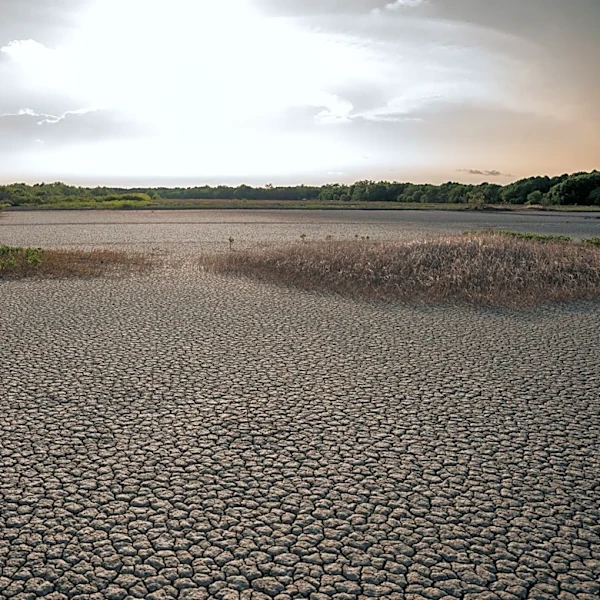
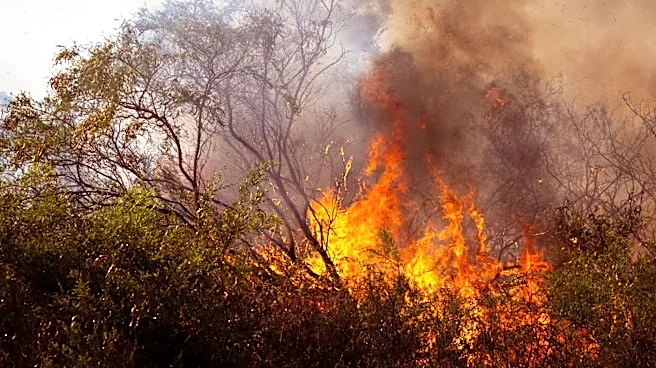
116 degrees, tying its record for the hottest temperature on August 1st. Las Vegas and El Centro, California, are also nearing their daily temperature records. The heatwave has exacerbated wildfire conditions in the Pacific Northwest, where a 'Particularly Dangerous Situation' warning has been issued due to dry conditions and strong winds. The Old Trails fire in Spokane, Washington, has already grown to over 2,300 acres, prompting evacuations. Officials are advising residents to stay indoors during peak heat hours and to be vigilant for signs of heat-related illnesses.
Why It's Important?
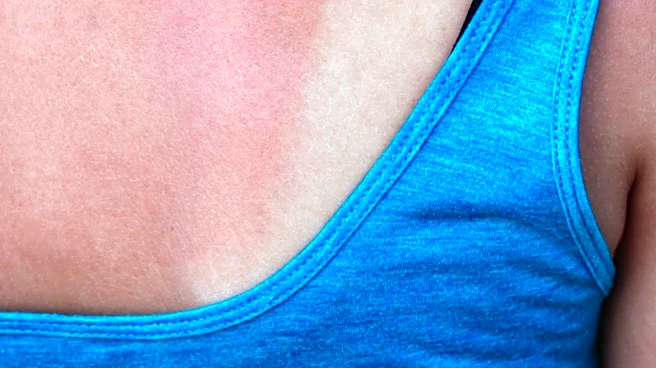
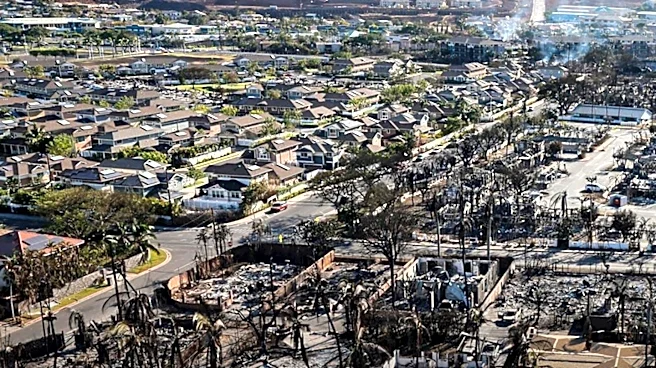
The ongoing heatwave highlights the increasing frequency and intensity of extreme weather events, which pose significant public health and safety risks. In Los Angeles County, heat-related illnesses account for a notable percentage of emergency department visits during extreme heat days. The situation underscores the broader impacts of climate change, as rising temperatures contribute to more severe and frequent heatwaves and wildfires. These conditions strain public health systems, increase the risk of property damage, and threaten lives. The economic implications are also significant, as businesses and infrastructure must adapt to these changing conditions, potentially leading to increased costs and resource allocation for emergency responses.
What's Next?
The heatwave is expected to weaken by early next week, with Southern California's heat warnings set to expire Sunday night. However, the ongoing threat of wildfires remains, particularly in the Pacific Northwest. Authorities will continue to monitor the situation closely, and further evacuations may be necessary if conditions worsen. Residents are encouraged to follow safety guidelines, such as staying hydrated, avoiding outdoor activities during peak heat, and checking on vulnerable individuals. Long-term, this event may prompt further discussions on climate adaptation strategies and the need for infrastructure improvements to better withstand extreme weather events.