









What's Happening?
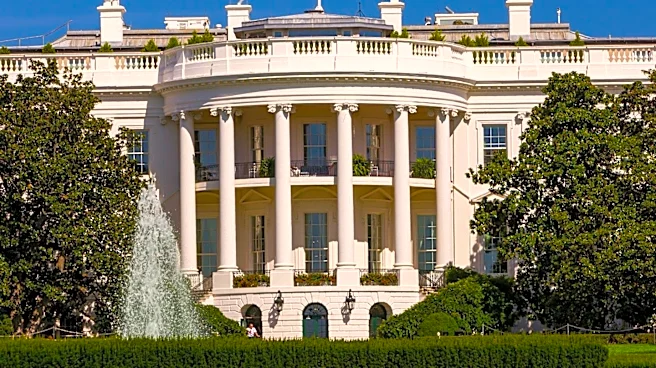
The White House released a TikTok video showcasing elements it described as 'American culture,' which quickly became the subject of widespread online ridicule. The video, intended to highlight American cultural icons and institutions, features a montage
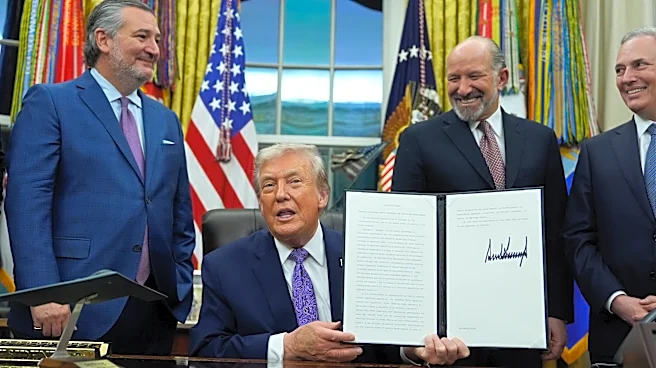
of images including fast food chains, retail stores, and national landmarks. It opens with a clip of President Trump and a text overlay suggesting that America does indeed have a culture, countering a common critique. Despite its intent, the video was met with negative reactions on social media, with many users mocking the selection of cultural symbols such as Walmart, Buc-ee's, and air-conditioning units. The video has garnered over 1.1 million views and 100,000 likes, but the comments largely reflect skepticism and embarrassment over the portrayal of American culture.
Why It's Important?
This incident highlights the ongoing debate about what constitutes American culture, especially in comparison to other nations. The White House's attempt to define American culture through consumerism and corporate symbols has sparked criticism, suggesting a disconnect between official narratives and public perception. The backlash underscores a broader cultural discourse that questions the depth and authenticity of American cultural identity, often perceived as heavily commercialized. This conversation is significant as it reflects societal values and the struggle to define national identity in a globalized world. The reactions also reveal a cultural divide, with many comparing American culture unfavorably to European traditions, which are often seen as more historically and artistically rich.
What's Next?
The White House may face pressure to address the criticisms and potentially refine its approach to cultural representation. This could involve engaging with cultural experts or the public to create a more nuanced portrayal of American culture that resonates with a broader audience. Additionally, the discourse may prompt further discussions on social media about national identity and cultural values, potentially influencing future cultural initiatives by the government. Stakeholders in cultural policy and public relations might also consider this feedback in shaping future communications strategies.
Beyond the Headlines
The TikTok video and its reception highlight deeper issues regarding cultural representation and identity politics in the U.S. The choice of symbols in the video reflects a certain narrative about American life that prioritizes consumerism and convenience, which may not align with the diverse experiences of all Americans. This incident could spark a reevaluation of how cultural narratives are constructed and communicated by public institutions. It also raises questions about the role of social media in shaping and challenging official narratives, as platforms like TikTok become arenas for cultural discourse and critique.