




What's Happening?
The National Judicial Council (NJC) in Nigeria has suspended three judicial officers for one year without pay and sanctioned eight others for various acts of misconduct. The decisions were made at the NJC's 112th meeting on November 3, 2026, chaired by
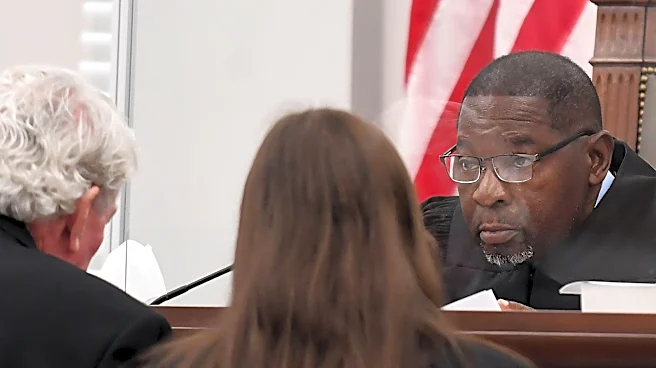
the Chief Justice of Nigeria, Justice Kudirat Kekere-Ekun. Justice Hannatu Mohammed Kabir of the Nasarawa State High Court was suspended for unlawfully detaining a litigant for 58 days without proper contempt proceedings. Grand Kadi Mohammed Sani Salihu of the Jigawa State Sharia Court of Appeal was suspended for exceeding his authority by reopening a judgment. Justice Sobere Biambo of the Rivers State High Court was suspended for issuing bench warrants and imposing fines without due process. Additionally, two of the suspended judges are barred from elevation for three years. Eight other judicial officers received cautions or warning letters for issues such as improperly granting ex parte orders, granting interim bail despite existing remand orders, failing to deliver judgments within constitutional timeframes, and continuing proceedings despite pending appeals.
Why It's Important?
These disciplinary actions by the NJC underscore a significant effort to uphold judicial integrity and accountability within Nigeria's legal system. The suspensions and sanctions send a clear message that judicial misconduct, including abuse of power, disregard for due process, and procedural irregularities, will not be tolerated. This move is crucial for maintaining public trust in the judiciary, which is essential for the rule of law and democratic governance. The cases highlight systemic issues such as the improper use of ex parte orders and delays in judgment delivery, which can undermine fair hearing rights and lead to substantial losses for individuals and companies. By addressing these issues, the NJC aims to strengthen the judiciary's independence and ensure that judges adhere to the Revised Code of Conduct for Judicial Officers, 2016. The impact extends to legal practitioners and litigants, who can expect a more transparent and accountable judicial process.
What's Next?
The suspended judges will serve a one-year suspension without pay, and two of them will be barred from elevation for three years. The NJC has also directed that the most senior Kadi of the Jigawa State Sharia Court of Appeal perform the functions of the office of the Grand Kadi during the suspension period. For those who received cautions or warning letters, they are expected to rectify their conduct and adhere strictly to judicial procedures. The NJC will continue to investigate other petitions, with four recommended for further investigation and one placed in abeyance. The council also recommended 28 candidates for various judicial appointments, indicating ongoing efforts to fill vacancies and potentially bring in new judicial officers who will be expected to uphold the highest standards of conduct. These actions are likely to lead to increased scrutiny of judicial practices across the country and potentially more rigorous enforcement of ethical guidelines.
Beyond the Headlines
The NJC's actions reflect a broader struggle within Nigeria to combat corruption and ensure good governance across all sectors, including the judiciary. The emphasis on due process and fair hearing rights in these cases highlights fundamental principles of justice that are often challenged in developing legal systems. The public nature of these disciplinary measures could foster greater transparency and encourage citizens to report judicial misconduct, thereby empowering civil society and legal advocacy groups. However, the effectiveness of these sanctions will depend on consistent enforcement and whether they lead to lasting systemic reforms rather than isolated incidents of accountability. The cases also touch upon the delicate balance between judicial independence and accountability, as the NJC's role is to ensure that judges perform their duties impartially and competently, free from external pressures but also subject to internal oversight.