








What's Happening?
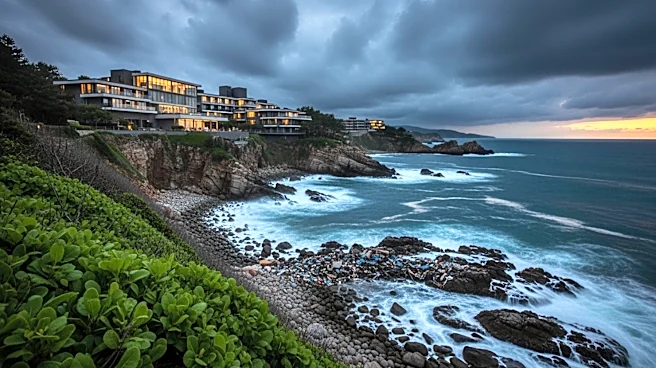
Jared Kushner, a real estate developer and son-in-law of President Trump, is facing significant backlash in Albania over a proposed luxury resort development. The project, backed by Kushner's private equity firm Affinity Partners, aims to build a major
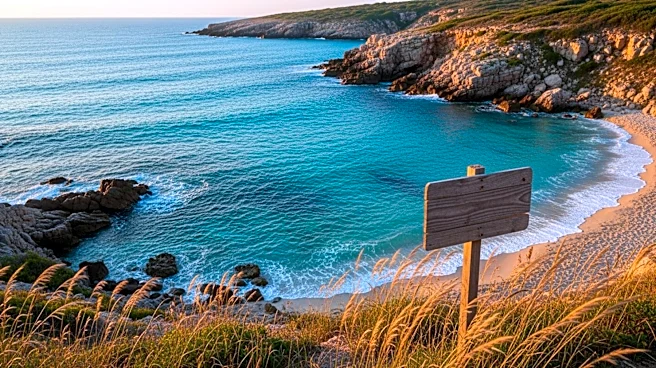
resort on Sazan Island and the Zvernec coastline. This area is a once-protected natural ecosystem home to flamingos, migratory birds, monk seals, and sea turtles. Changes to Albania's protected areas law in 2024 have allowed for such developments, sparking protests. The 'flamingo revolution,' as the movement is called, has gained momentum with demonstrations spreading to Tirana and other cities. Protestors are concerned about environmental impacts and the decision-making process, rather than Kushner's identity. The Albanian Prime Minister, Edi Rama, has stated that the project is still under environmental assessment and aims to balance development with nature.
Why It's Important?
The controversy surrounding Kushner's resort highlights the tension between economic development and environmental conservation. The protests underscore the growing global awareness and activism against projects that threaten natural habitats. For the U.S., this situation reflects on the international business practices of American investors and their potential environmental impacts. The backlash could influence future U.S. investments abroad, especially in ecologically sensitive areas. Additionally, the protests may affect Albania's tourism industry and its legal framework regarding protected areas, potentially setting a precedent for how similar projects are handled in the future.
What's Next?
As the environmental assessment continues, the Albanian government and Kushner's firm may face increased pressure from both local and international environmental groups. The outcome of this project could influence future legislation on protected areas in Albania. If the protests continue to gain traction, they could lead to more stringent regulations or even halt the project. Stakeholders, including environmentalists and local communities, will likely continue to advocate for the preservation of the ecosystem, potentially leading to negotiations or modifications of the project to address environmental concerns.