



What's Happening?
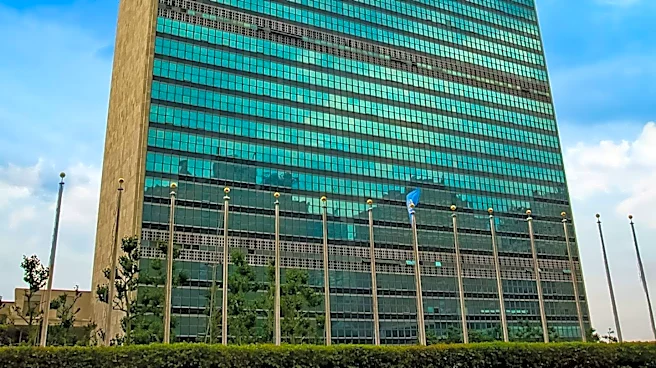
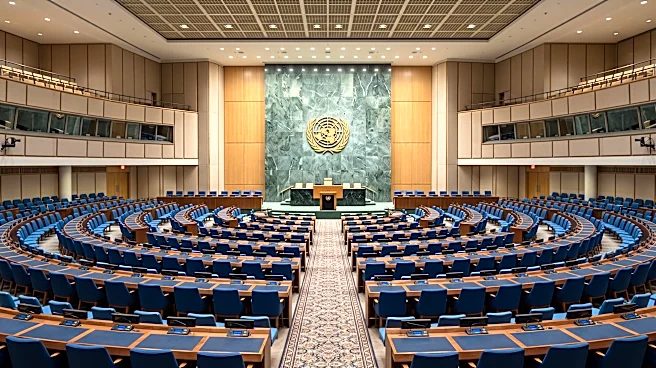
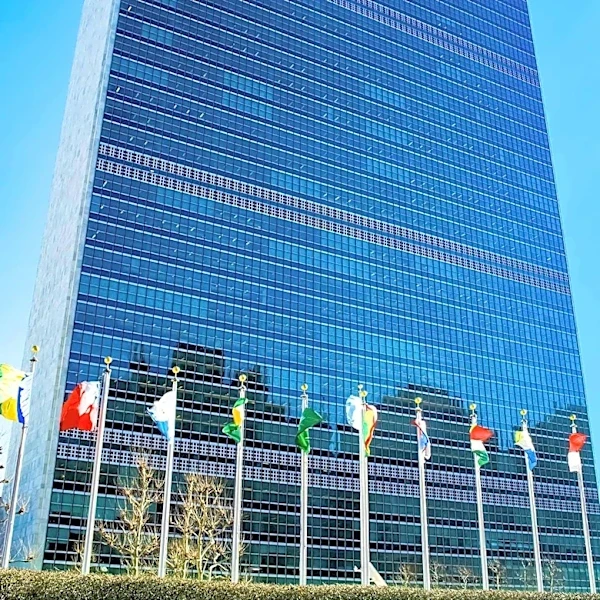
Beijing has recommended a record 16 civil servants from Hong Kong for roles at United Nations agencies this year, marking the largest cohort to date. These officers are being sent under the UN Junior Professional Officer (JPO) scheme and represent 13
different grades and departments, including customs, police, and the anti-corruption agency. This number signifies a steady increase from previous deployments, with five officers sent in 2019 when Hong Kong first joined the program, and 12 sent in 2023. Chief Executive John Lee Ka-chiu stated that previous cohorts have excelled in various fields, such as anti-drug operations, climate and resource coordination, trade and transport, and intellectual property protection, earning high praise from the UN. Nearly half of the previous participants had their tenures extended at the UN's request, which Lee highlighted as an affirmation of Hong Kong youth's capabilities and the city's commitment to contributing to the international community.
Why It's Important?
This initiative is significant as it aims to broaden the global perspective of Hong Kong's civil servants and strengthen the city's role as a bridge between China and the international community. For the U.S., this development could be viewed through the lens of China's increasing influence within international organizations. By placing Hong Kong civil servants in UN roles, Beijing is subtly expanding its footprint and potentially shaping the discourse and operations of these global bodies. This could impact U.S. efforts to promote its values and policies within the UN system, especially concerning issues where U.S. and Chinese interests diverge. The experience gained by these civil servants in international settings could also enhance Hong Kong's administrative capacity and its ability to engage on a global stage, potentially affecting its economic and political interactions with the U.S. and other nations.
What's Next?
Hong Kong's first five-year plan, set to be unveiled next week, will align with China's 15th five-year blueprint. This alignment suggests a continued strategic effort to integrate Hong Kong's development with national objectives, including serving national diplomacy and meeting global commitments. The dispatch of young civil servants to the UN is part of this broader strategy, leveraging Hong Kong's professional strengths. Future cohorts are likely to continue being sent to UN agencies, further embedding Hong Kong's presence within these international bodies. The success and performance of these civil servants will be closely monitored, as their contributions could influence future opportunities for Hong Kong and China within the UN system. This ongoing engagement is expected to foster a deeper understanding of global issues among Hong Kong's administrative elite, potentially shaping the city's future policies and international collaborations.
Beyond the Headlines
Beyond the immediate diplomatic and administrative implications, this program highlights a deeper strategic play by Beijing to cultivate a globally aware and internationally connected civil service within Hong Kong. By providing these opportunities, China is not only enhancing Hong Kong's international profile but also potentially fostering a sense of shared purpose and loyalty among its civil servants. This could subtly influence the city's governance and its alignment with Beijing's foreign policy objectives. The program also serves as a soft power tool, showcasing Hong Kong's talent and contributions on a global stage, which could counter narratives about the city's diminishing autonomy. Ethically, the program raises questions about the balance between professional development and national strategic interests within international organizations, particularly for civil servants from a region with a unique political status.