




What's Happening?
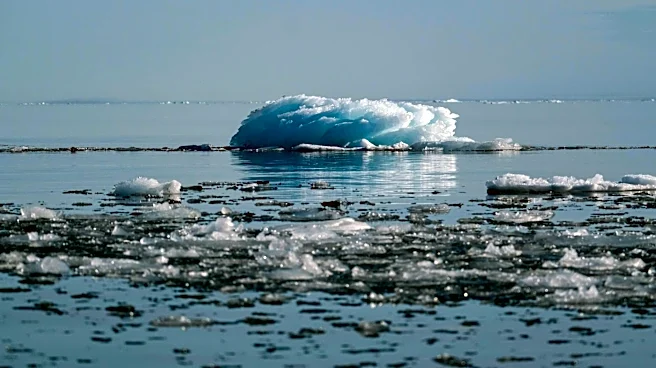
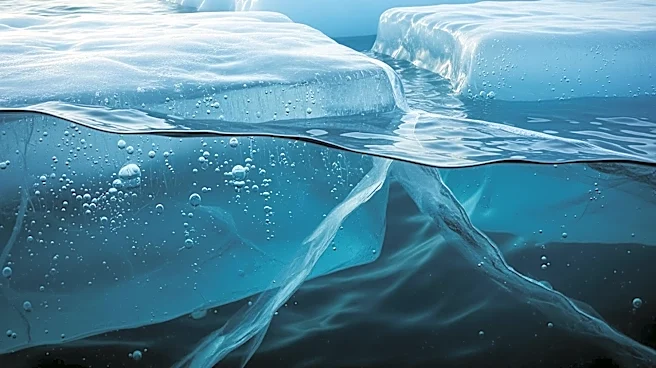
A recent study published in Nature Communications has uncovered that certain Antarctic ice shelves, particularly the Fimbulisen Ice Shelf in East Antarctica, are melting more rapidly from below than previously anticipated. Researchers discovered that channels
beneath the ice can trap warmer seawater, which intensifies melting in areas crucial for holding back massive glaciers. This phenomenon is particularly concerning as it occurs in East Antarctica, a region traditionally considered more stable than its western counterpart. The study highlights that even small amounts of warmer water entering these channels can significantly increase melting, potentially destabilizing the ice shelves and accelerating glacier flow into the ocean, thereby contributing to rising sea levels globally.
Why It's Important?
The findings of this study are significant as they challenge existing perceptions of Antarctic ice shelf stability, particularly in East Antarctica. The potential for increased melting due to trapped warm water could lead to a faster rise in sea levels, impacting coastal communities worldwide. This research suggests that current climate models may underestimate the vulnerability of Antarctic ice shelves to ocean warming, as they often do not account for the complex geometry of the ice shelf undersides. The implications are profound for global climate policy and efforts to mitigate the effects of climate change, as understanding these dynamics is crucial for accurate predictions and effective response strategies.
What's Next?
The study calls for a reevaluation of climate models to incorporate the effects of these hidden channels beneath ice shelves. Future research will likely focus on mapping these channels more comprehensively and understanding their impact on ice shelf stability. Policymakers and climate scientists may need to consider these findings in their strategies to address global warming and its effects on sea level rise. Additionally, there may be increased international collaboration to monitor and mitigate the impacts of these findings on global sea levels.
Beyond the Headlines
This research highlights the intricate and often overlooked interactions between oceanic and glacial systems. The discovery of these channels underscores the complexity of climate systems and the need for advanced modeling techniques to predict future changes accurately. It also raises ethical considerations regarding the responsibility of nations to address climate change proactively, given the potential for significant impacts on vulnerable populations. The study may prompt a broader discussion on the role of scientific research in informing public policy and the importance of investing in climate science to safeguard future generations.