






What's Happening?
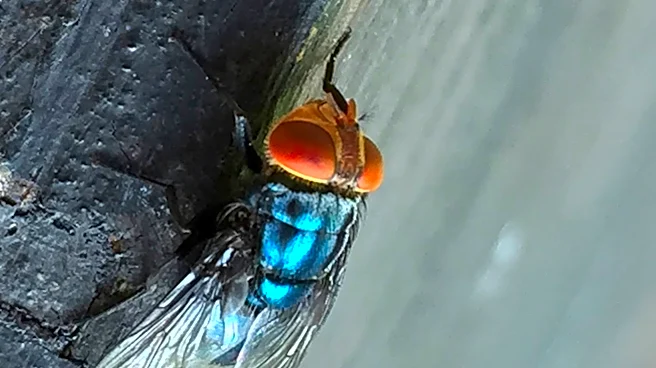
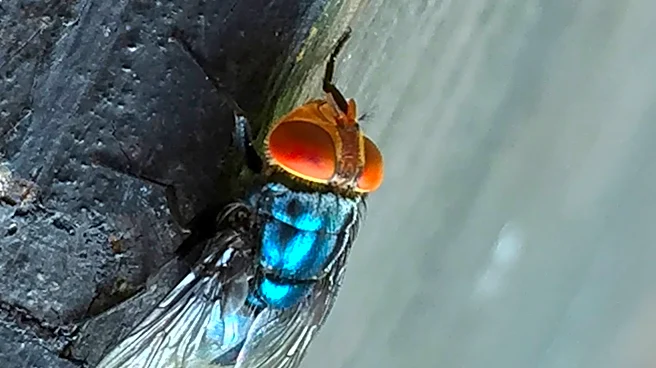
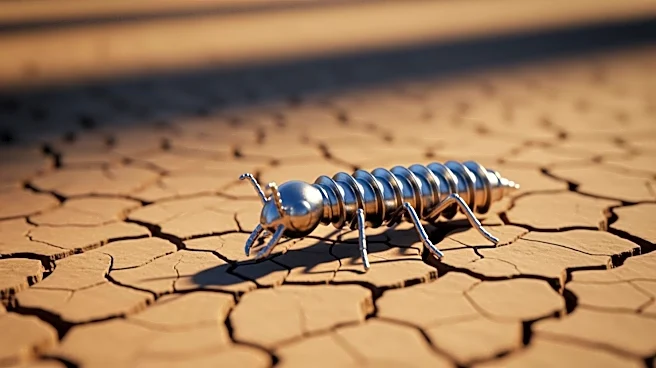
The U.S. Department of Agriculture (USDA) Secretary Brooke Rollins has assured that the U.S. food supply remains secure despite the confirmation of new cases of the flesh-eating screwworm parasite in Texas. The screwworm, a parasitic fly whose larvae
can cause severe wounds in warm-blooded animals, has been detected in a calf in La Salle County and a dog in Andrews County, Texas. The USDA is implementing measures similar to those used in the late 1950s, including the release of sterile insects to control the pest population. This approach aims to prevent the spread of the screwworm, which poses a threat to livestock, wildlife, and pets. The USDA is also increasing monitoring efforts in New Mexico, where one of the affected animals resides.
Why It's Important?
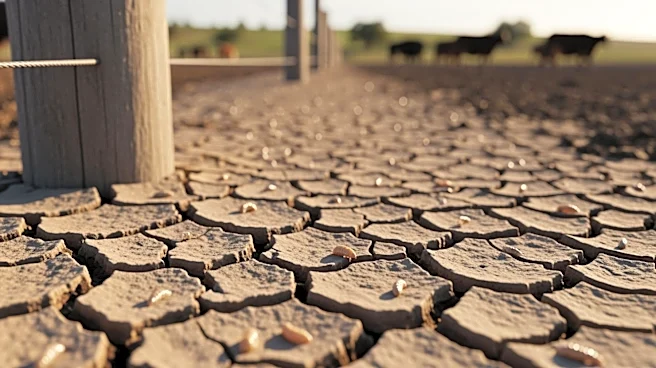
The resurgence of the screwworm in the U.S. is significant due to its potential impact on the agricultural sector, particularly livestock. The parasite can cause life-threatening wounds in animals, which could lead to economic losses for farmers and ranchers. The USDA's proactive measures are crucial in preventing a widespread outbreak that could disrupt the food supply chain. Additionally, the appointment of John Bellinger as a senior advisor for screwworm preparedness underscores the federal government's commitment to addressing this issue. The situation highlights the importance of maintaining robust pest control strategies to protect the agricultural industry and ensure food security.
What's Next?
The USDA will continue to monitor the situation closely and collaborate with state officials to manage the screwworm cases. Increased surveillance and public awareness campaigns are expected to be part of the strategy to prevent further spread. The federal government may also allocate additional resources to support these efforts. Stakeholders in the agricultural sector, including farmers and livestock owners, will likely be advised to remain vigilant and report any suspected cases promptly. The effectiveness of the sterile insect release program will be evaluated to determine if further interventions are necessary.