


What's Happening?
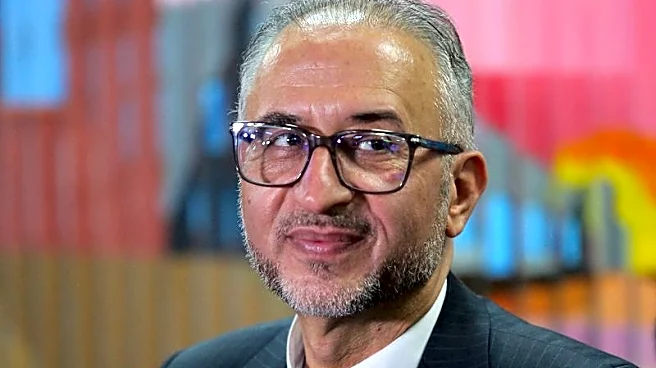
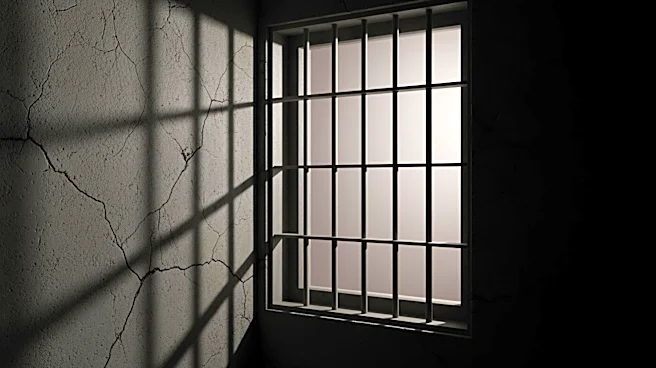
Reza Valizadeh, an Iranian-American journalist detained in Iran's Evin Prison, has made a plea for medical assistance for himself and other American captives. In a recorded message, Valizadeh highlighted the lack of medical services and the physical and mental
pressures faced by detainees. The plea comes amid a near-total internet blackout in Iran, which has limited communication with the outside world. Valizadeh's lawyer, Ryan Fayhee, has expressed concerns about his client's health, citing persistent back pain and dental issues. The U.S. State Department has designated Valizadeh as 'wrongfully detained,' and efforts are ongoing to secure the release of American detainees in Iran.
Why It's Important?
The situation underscores the ongoing diplomatic challenges between the U.S. and Iran, particularly concerning the detention of American citizens. The plea for medical help highlights the humanitarian issues faced by detainees and the complexities involved in international negotiations. The U.S. government is under pressure to address the plight of its citizens abroad while balancing broader diplomatic objectives, such as nuclear negotiations and regional stability. The case of Reza Valizadeh also raises questions about the treatment of journalists and the freedom of the press in Iran, drawing international attention to human rights concerns.
What's Next?
The U.S. government is likely to continue diplomatic efforts to secure the release of American detainees in Iran. This may involve negotiations that separate the detainee issue from broader diplomatic talks, such as those concerning Iran's nuclear program. The situation could also lead to increased advocacy from human rights organizations and international bodies calling for the humane treatment of detainees and the protection of journalists. The outcome of these efforts will depend on the evolving geopolitical landscape and the willingness of both the U.S. and Iran to engage in constructive dialogue.