





What's Happening?
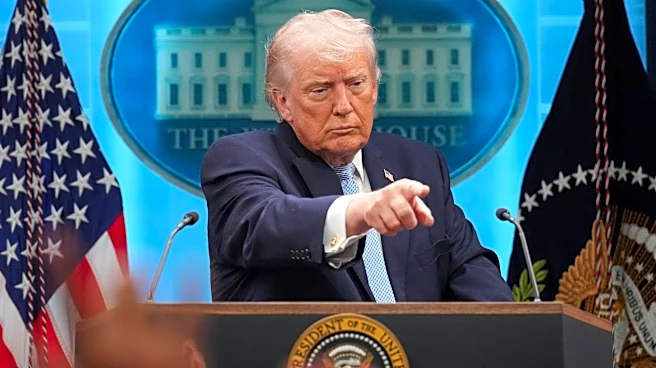
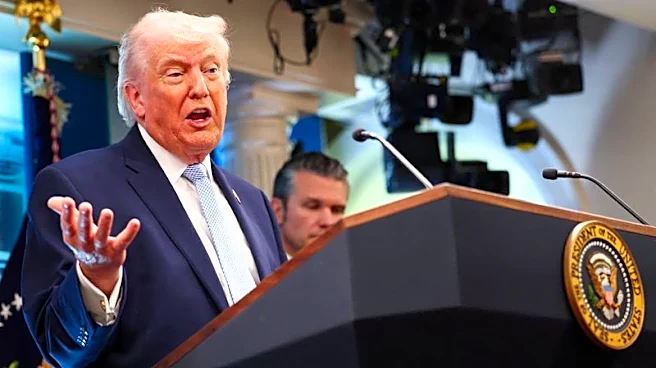
President Trump has announced a two-week suspension of bombing operations on Iran, marking a significant development in U.S.-Iran relations. This decision comes amid a ceasefire agreement, which aims to de-escalate tensions between the two nations. The
announcement was made on Tuesday, with CBS News national security contributor Samantha Vinograd providing analysis on the situation. The ceasefire is seen as a temporary measure to halt hostilities and open the door for potential diplomatic negotiations. The move is part of broader efforts to stabilize the region and address ongoing security concerns.
Why It's Important?
The suspension of bombing operations on Iran is a critical step in reducing military tensions and preventing further escalation in the region. This decision could have significant implications for U.S. foreign policy and its approach to Middle Eastern affairs. By halting military actions, the U.S. may create an opportunity for diplomatic engagement, which could lead to more sustainable solutions to the ongoing conflict. The ceasefire also impacts global oil markets, as stability in the region can influence oil prices and economic conditions worldwide. Additionally, this move may affect U.S. relations with allies and adversaries, as it signals a shift towards negotiation rather than confrontation.
What's Next?
In the coming weeks, the focus will likely be on diplomatic efforts to solidify the ceasefire and explore long-term solutions to the U.S.-Iran conflict. Key stakeholders, including international allies and regional partners, may play a role in facilitating dialogue and ensuring compliance with the ceasefire terms. The U.S. government may also engage in back-channel communications with Iranian officials to address mutual concerns and build trust. Observers will be watching for any signs of renewed hostilities or violations of the ceasefire, which could derail progress and lead to a resumption of military actions.