

What's Happening?
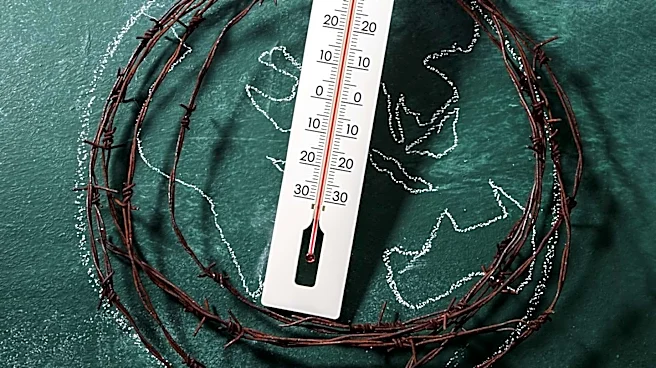
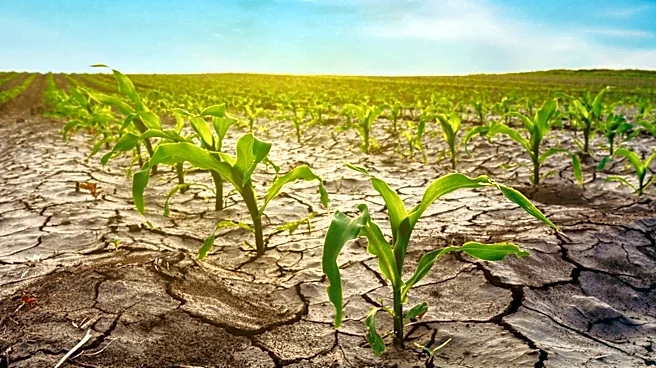
A joint report by the UN Food and Agriculture Organization (FAO) and the World Meteorological Organization (WMO), titled 'Extreme Heat and Agriculture,' warns that increasingly frequent and severe heatwaves are disrupting global agricultural production
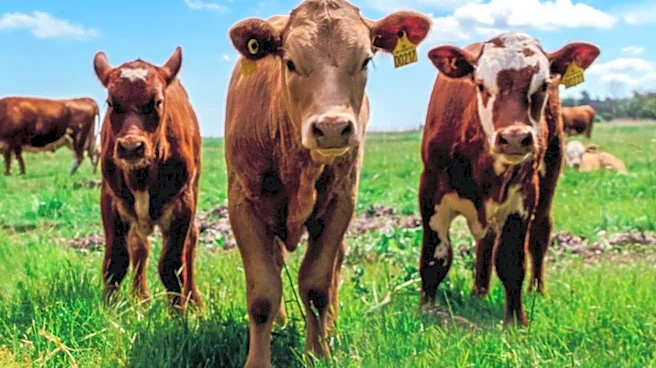
and threatening food security. The report highlights that rising temperatures are a critical hazard to food production, impacting billions of livelihoods and causing immediate economic and nutritional damage, particularly in vulnerable farming communities. In Punjab's rain-fed rural areas, fruit productivity has dropped by up to 50%, and livestock operations are severely affected, with reduced milk production and increased disease outbreaks. These agricultural losses lead to reduced household incomes and limit access to healthy diets for rural families, a crisis compounded by accelerated spoilage of perishable goods. Women in these communities bear a disproportionate burden due to their heavy involvement in outdoor agricultural labor, increasing their risk of heat-related illnesses and preterm births.
Why It's Important?
The findings of the UN report underscore a critical threat to global food systems and human health. The widespread agricultural losses due to extreme heat directly impact food availability and affordability, potentially leading to increased food insecurity and malnutrition, especially in regions heavily reliant on agriculture. The economic consequences are severe, as reduced yields and livestock productivity translate into lower incomes for farmers, exacerbating poverty in rural areas. The report also highlights significant social inequalities, with women disproportionately affected due to their roles in farming and limited access to resources and information. This situation creates a dangerous environmental feedback loop: as heat-driven shortfalls prompt farmers to clear more land for agriculture, it leads to increased greenhouse gas emissions, further fueling climate change. This cycle threatens long-term sustainability and global stability.
What's Next?
The report's findings necessitate urgent and coordinated global action to mitigate the impacts of extreme heat on agriculture. This includes implementing climate adaptation strategies tailored for farming communities, such as developing heat-resistant crop varieties, improving irrigation systems, and providing early warning systems for heat events. There is also a critical need to address the social inequalities highlighted, particularly empowering women in agriculture through improved access to land ownership, credit, and climate information. International organizations and national governments will likely need to increase investment in sustainable agricultural practices and research to build resilience against rising temperatures. Failure to act could lead to escalating food crises, increased humanitarian aid demands, and further environmental degradation, making long-term food security a growing global challenge.
Beyond the Headlines
The UN report reveals a complex interplay between climate change, food systems, and social justice. Beyond the immediate agricultural losses, the crisis exposes deep-seated vulnerabilities within global supply chains and highlights the fragility of current food production models. The disproportionate impact on women underscores how climate change exacerbates existing gender inequalities, potentially leading to wider social and economic disparities. This situation also raises ethical questions about global responsibility and equitable resource distribution, as wealthier nations contribute more to emissions but often less directly suffer the immediate consequences. The feedback loop described—where agricultural expansion due to heat-driven losses further fuels climate change—points to the urgent need for holistic, integrated solutions that address both climate mitigation and adaptation, alongside social equity, to prevent a cascading series of environmental and humanitarian crises.