




What's Happening?
The concept of producing gold through nuclear transmutation, specifically lead-to-gold conversion, is being discussed, but current sources indicate a lack of definitive evidence regarding its feasibility and practicality. One source mentions nuclear transmutation as a method
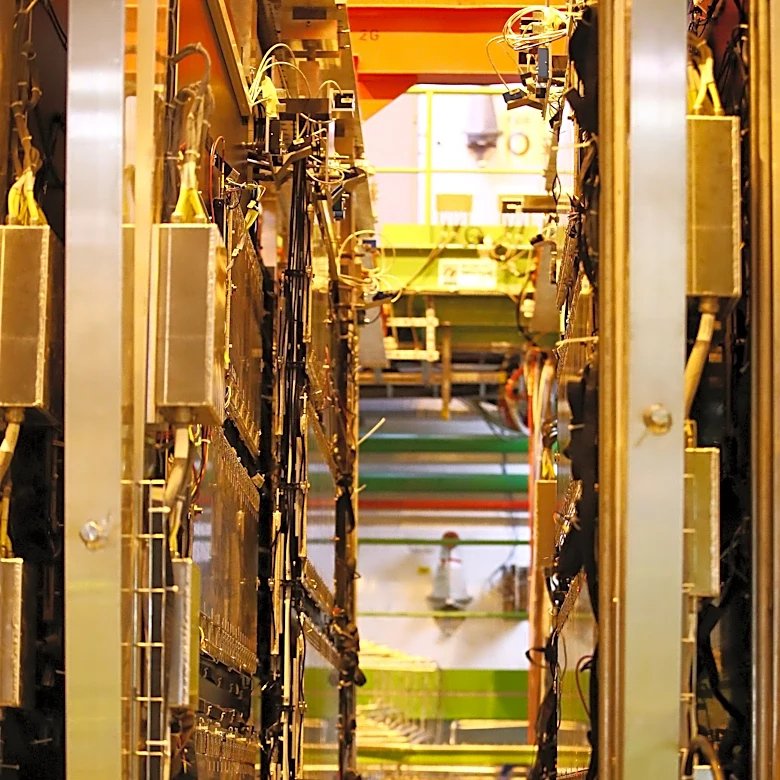
for gold production but notes insufficient evidence for independent verification. Another source highlights the significant energy requirements and inherent challenges associated with nuclear reactions needed to transmute elements into gold. While CERN has produced minimal quantities of gold nuclei for research purposes via lead-ion collisions, this is not indicative of commercial production. The absence of comprehensive experimental methodologies and publicly established data on the quantity and purity of gold produced through such methods raises questions about its viability beyond theoretical or small-scale research applications.
Why It's Important?
The potential for nuclear transmutation to produce gold, if proven commercially viable, would have profound implications for global economics and the mining industry. Gold's value is largely derived from its scarcity and the high costs associated with its extraction. A method to artificially create gold could devalue existing gold reserves, disrupt financial markets, and significantly impact gold-producing nations and companies. Conversely, if the process remains energy-intensive and costly, it would likely be limited to niche applications or scientific research, maintaining gold's traditional market dynamics. The ongoing discussion underscores the scientific community's continuous exploration of fundamental physics, even if practical applications for such complex processes are currently limited.
Beyond the Headlines
Beyond the immediate economic implications, the exploration of nuclear transmutation for gold production touches upon deeper scientific and ethical considerations. The ability to transform one element into another, a long-held dream of alchemists, highlights the advanced understanding of nuclear physics. However, the immense energy required for such processes also brings into focus the environmental and safety concerns associated with nuclear reactions. The distinction between theoretical possibility and practical, sustainable application is crucial. While the scientific pursuit of such transformations is valuable for expanding human knowledge, the societal impact of widespread artificial gold production would necessitate careful consideration of its economic, environmental, and geopolitical consequences.