




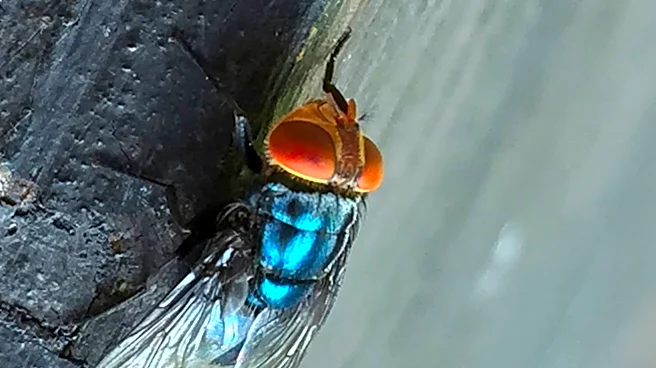


What's Happening?
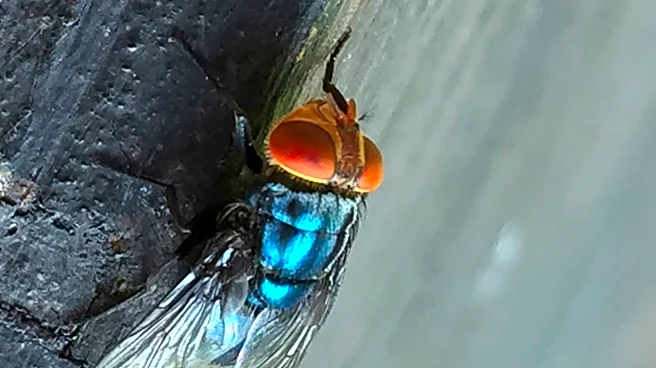
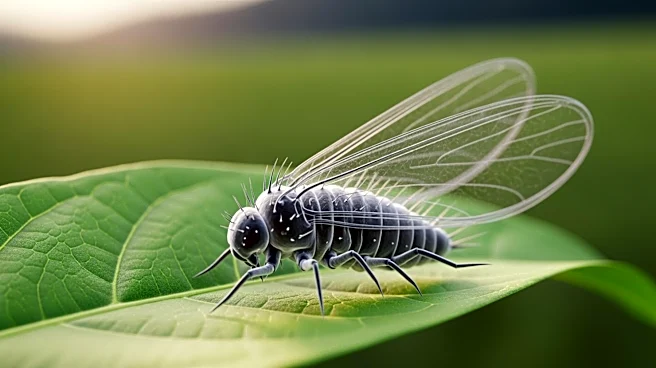
The U.S. Department of Agriculture has confirmed six cases of the New World screwworm in Texas and New Mexico, prompting Colorado agriculture officials to activate a response plan. The screwworm, a flesh-eating parasite, poses a significant threat to livestock
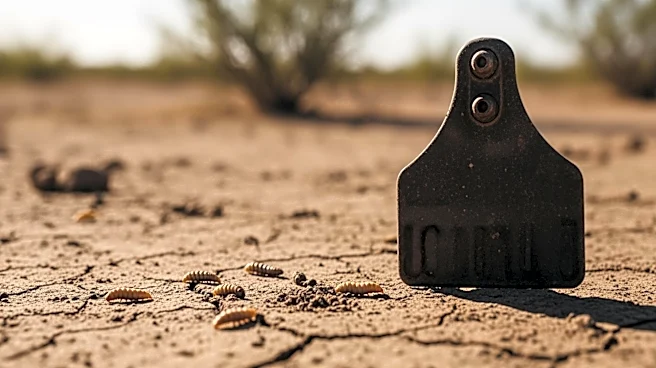
as it lays eggs in wounds, leading to severe infections. Colorado farmers and ranchers are advised to remain vigilant and report any suspicious cases to local veterinarians. The Colorado Department of Agriculture is conducting webinars to educate livestock owners on identifying and managing the pest. The screwworm was eradicated in the U.S. in the 1960s, but recent outbreaks in Mexico and the southwestern U.S. have raised concerns about its spread.
Why It's Important?
The resurgence of the New World screwworm could have devastating effects on the U.S. cattle industry, potentially causing significant economic losses. The parasite's ability to infect various warm-blooded animals, including livestock, poses a threat to animal health and agricultural productivity. The outbreak highlights the importance of biosecurity measures and the need for coordinated efforts between state and federal agencies to prevent further spread. The situation underscores the vulnerability of the agricultural sector to pest invasions and the necessity for ongoing monitoring and rapid response strategies.
What's Next?
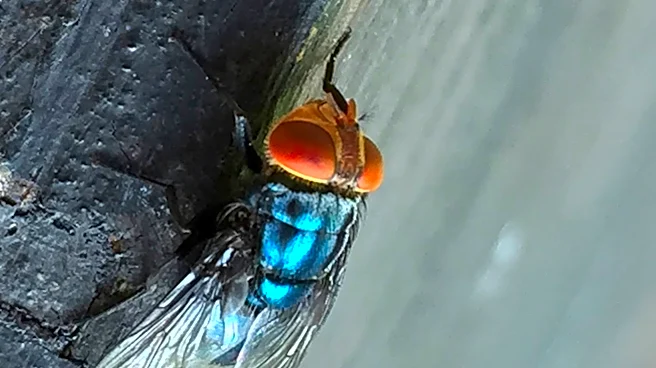
Colorado officials are urging livestock owners to participate in educational webinars and to report any cases of screwworm immediately. The state is prepared to implement control measures, including the release of sterile male flies to curb the population. Continued surveillance and collaboration with federal agencies will be crucial in managing the outbreak. The agricultural community is advised to stay informed and proactive in protecting their herds from potential infestations.