

What's Happening?
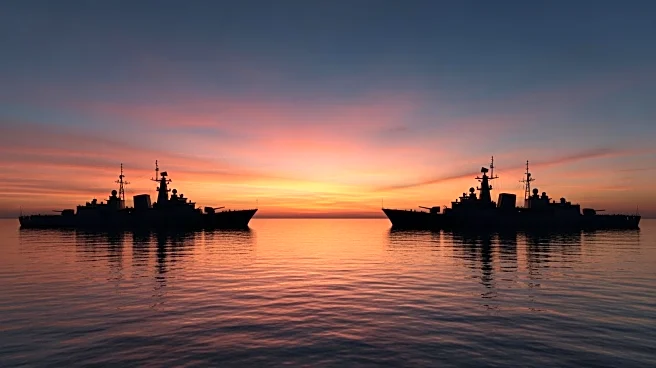
Vladimir Putin has intensified Russia's military collaboration with Iran, conducting joint naval exercises in the Strait of Hormuz and the Gulf of Oman. This move comes shortly after Iran's leadership issued threats against the United States. President
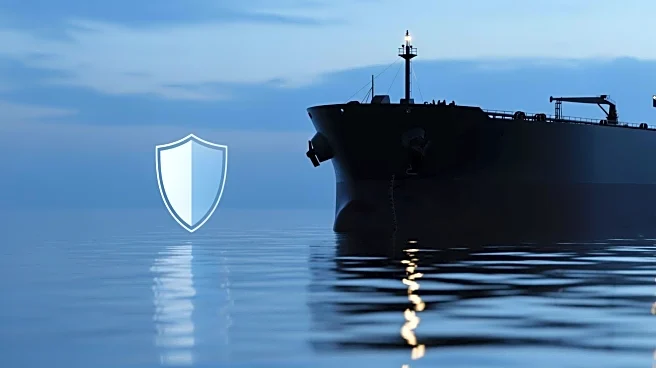
Trump has been vocal in warning Tehran against provoking the U.S., and Putin's actions are seen as a direct challenge to these warnings. The collaboration between Russia and Iran includes the use of a 'shadow tanker' fleet and the supply of drones, which have been instrumental in supporting Moscow's military activities in Ukraine. This development marks a significant escalation in the geopolitical tensions involving the U.S., Russia, and Iran.
Why It's Important?
The military cooperation between Russia and Iran represents a strategic alignment that could have significant implications for U.S. foreign policy and regional stability in the Middle East. By supporting Iran, Putin is not only challenging U.S. influence in the region but also potentially undermining efforts to curb Iran's military ambitions. This alliance could complicate President Trump's diplomatic strategies and military postures in the region, as it may embolden Iran to further resist U.S. demands. The situation also highlights the broader geopolitical struggle between the U.S. and Russia, with potential impacts on global oil markets and security dynamics.
What's Next?
The U.S. is likely to respond to this development with increased military presence and strategic alliances in the region. President Trump may seek to strengthen ties with other Middle Eastern nations to counterbalance the Russia-Iran partnership. Additionally, diplomatic efforts may be intensified to isolate Iran and pressure Russia to reconsider its support. The international community will be closely monitoring the situation, as further escalation could lead to broader conflicts or shifts in alliances.