


What's Happening?
A federal grant from the National Park Foundation is set to fund a two-year project aimed at protecting Hawaiʻi Volcanoes National Park's native ecosystems through advanced aerial technology. The Friends of Hawaiʻi Volcanoes National Park (FHVNP), in partnership
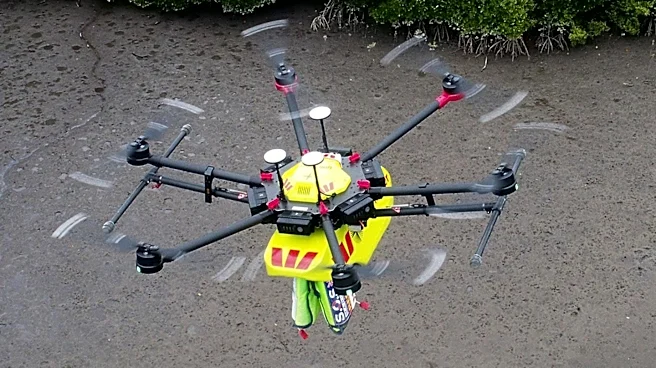
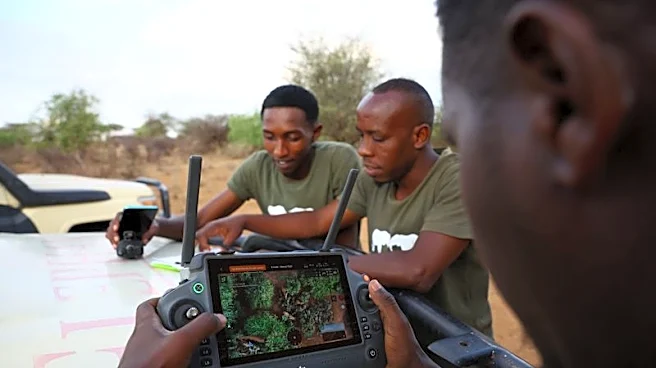
with Hawaiʻi Volcanoes National Park, is the recipient of this innovation grant. The project will utilize thermal imaging on uncrewed aircraft systems and helicopter-based LiDAR to detect invasive non-native ungulates, such as pigs and sheep, and identify breaches in fencing across the park's challenging volcanic terrain. This initiative comes after Hurricane Lala caused extensive damage to protective fencing, allowing invasive animals to enter protected areas and endanger native ecosystems. The FHVNP emphasized the need for more efficient methods to assess fence conditions and detect invasive animals across the park's rugged and remote landscape.
Why It's Important?
This grant is crucial for the preservation of Hawaiʻi Volcanoes National Park, which harbors some of the Earth's most unique ecosystems and species found nowhere else globally. Invasive non-native ungulates pose a significant threat to these delicate environments by damaging native plants and altering habitats. The use of advanced aerial technology, including thermal imaging and LiDAR, represents a significant leap forward in conservation efforts, offering a more efficient and effective way to monitor vast and difficult-to-access areas. By quickly identifying invasive animals and fence breaches, park officials can focus their resources on protecting irreplaceable native flora and fauna. This proactive approach is vital for maintaining biodiversity and ensuring the long-term ecological health of the park for future generations.
What's Next?
Over the next two years, the project will focus on implementing and refining the use of thermal imaging on uncrewed aircraft systems and helicopter-based LiDAR within Hawaiʻi Volcanoes National Park. The Friends of Hawaiʻi Volcanoes National Park and the park itself will work to integrate these technologies into their ongoing conservation strategies. The success of this project could serve as a model for other national parks facing similar challenges with invasive species and difficult terrain. Continued monitoring and evaluation of the technology's effectiveness in detecting ungulates and fence breaches will be critical. The National Park Foundation's broader $12 million investment in innovation suggests a continued commitment to supporting advanced solutions for park management and protection across the country.
Beyond the Headlines
The adoption of aerial technology in Hawaiʻi Volcanoes National Park highlights a growing trend in conservation: leveraging cutting-edge technology to address complex environmental challenges. This initiative not only offers practical solutions for invasive species management but also underscores the ethical responsibility to protect unique ecosystems. The use of uncrewed aircraft systems and LiDAR can minimize human impact on sensitive areas while maximizing data collection efficiency. This development could also influence public policy regarding funding for technological advancements in national parks and protected areas, potentially leading to broader implementation of similar strategies nationwide. It represents a shift towards more data-driven and technologically informed conservation practices, ensuring the resilience of natural landscapes against both natural disasters and human-introduced threats.