







What's Happening?
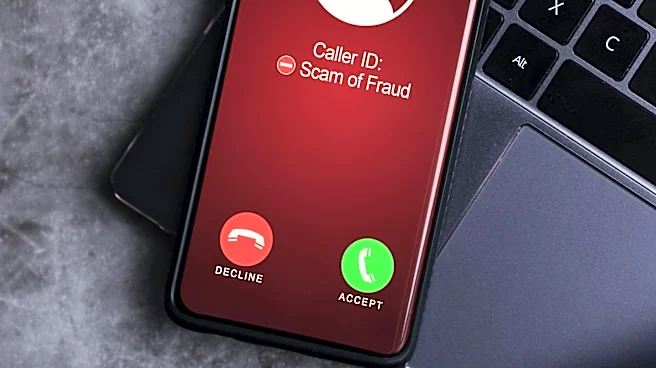
The Burbank Police Department (BPD) has issued a community bulletin warning residents about a phone number spoofing scam. Scammers are reportedly manipulating caller ID to display official BPD phone numbers, including the non-emergency line, to deceive
potential victims. These fraudulent callers claim that individuals have outstanding warrants or face criminal charges and demand immediate payment through gift cards, money orders, or other untraceable methods to avoid arrest. The BPD emphasizes that it will never contact individuals to demand payment for warrants, fines, or criminal charges using such methods. The department advises anyone receiving a suspicious call to hang up immediately, avoid engaging with the caller, and never provide personal or financial information to an unknown party. If there is any doubt about the legitimacy of a call, residents are urged to contact the BPD directly using their officially published phone numbers.
Why It's Important?
This scam poses a significant threat to public safety and financial security, as it exploits trust in law enforcement agencies. By spoofing official police numbers, scammers create a false sense of authority and urgency, making it difficult for individuals to discern legitimate calls from fraudulent ones. The demand for payment via gift cards or money orders is a common tactic used by scammers because these methods are often irreversible and untraceable, making it nearly impossible for victims to recover their lost funds. The scam can lead to substantial financial losses for individuals, particularly vulnerable populations who may be more susceptible to intimidation tactics. Furthermore, such incidents can erode public trust in official communications, potentially hindering legitimate law enforcement efforts in the future.
What's Next?
The Burbank Police Department will continue to disseminate this warning through community bulletins and potentially through local media and social media channels to raise public awareness. Residents are encouraged to share this information with friends and family to prevent more people from falling victim to the scam. Law enforcement agencies typically investigate such fraudulent activities, though tracing the perpetrators of phone spoofing scams can be challenging due to their often international and sophisticated nature. The BPD's clear directive to hang up and verify calls directly with official numbers is the primary defense against this type of fraud. Continued vigilance and public education will be crucial in mitigating the impact of these ongoing scam attempts.
Beyond the Headlines
The prevalence of phone number spoofing highlights a broader challenge in digital security and communication trust. As technology advances, scammers increasingly leverage tools that mimic legitimate entities, making it harder for the average person to distinguish between genuine and fraudulent interactions. This type of scam not only targets individuals' finances but also undermines the integrity of communication systems. The ethical implications extend to the misuse of technology for deceptive purposes, raising questions about the responsibility of telecommunication providers in preventing such abuses. Long-term, there may be a need for more robust technological solutions or regulatory frameworks to combat caller ID spoofing effectively, ensuring that official communications remain secure and trustworthy.