


What's Happening?
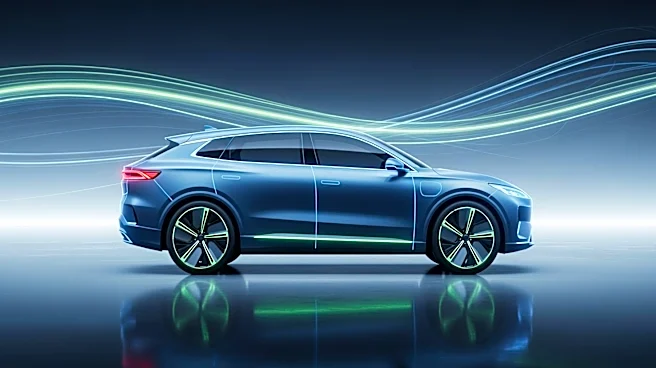
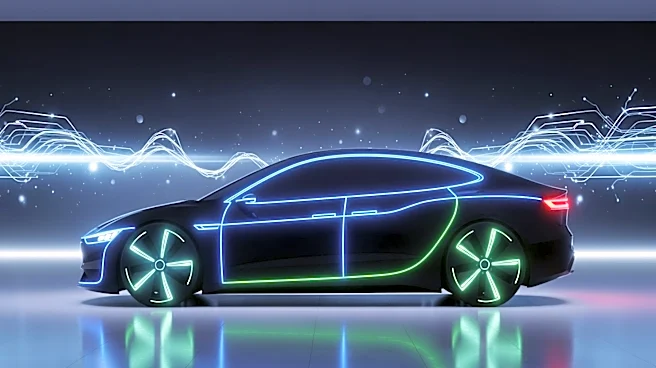
The 2026 Manila International Auto Show is showcasing a significant increase in electrified vehicles, with a strong presence from Chinese manufacturers such as BYD, GAC, Geely, and Chery. The event, running from April 9 to 12, highlights the growing trend
of electrification in the automotive industry, with battery-electric vehicles gaining visibility alongside hybrids and plug-in hybrids. Kia's EV5 makes its debut, featuring an 88.1 kWh battery and a range of 550 kilometers. The show underscores the competitive pressure in the market, with Chinese brands segmenting their offerings across premium and mass-market categories. However, the lack of investment in charging infrastructure remains a challenge for widespread adoption.
Why It's Important?
The increased presence of Chinese EV brands at the Manila Auto Show reflects the global shift towards electrification in the automotive industry. This trend is significant for the U.S. market as it highlights the competitive landscape and the need for investment in charging infrastructure to support the adoption of electric vehicles. The focus on battery-electric vehicles and hybrids indicates a push towards reducing reliance on fossil fuels, which could influence U.S. policy and consumer behavior. The event also showcases the strategic positioning of Chinese manufacturers, which could impact U.S. automakers' strategies in the global market.
What's Next?
The Manila Auto Show's emphasis on electrification suggests that manufacturers will continue to innovate and expand their electric vehicle offerings. For the U.S., this could mean increased competition from Chinese brands, prompting American automakers to accelerate their electrification efforts. The need for improved charging infrastructure and grid reliability will be crucial for the widespread adoption of EVs. Additionally, the show highlights the importance of coordinated investment beyond the showroom, which could influence future policy decisions and industry standards in the U.S.
Beyond the Headlines
The Manila Auto Show's focus on electrification raises questions about the long-term sustainability of the automotive industry. The shift towards electric vehicles could lead to significant changes in manufacturing processes, supply chains, and employment patterns. The emphasis on hybrids and plug-in hybrids also suggests a transitional phase in the industry, where full electrification is not yet feasible due to infrastructure limitations. This could have implications for U.S. automakers as they navigate the balance between innovation and practicality in their product offerings.