




What's Happening?
A growing movement across the United States is advocating for the legalization and increased availability of raw milk, despite significant health warnings from public health officials. More than three dozen bills supporting raw milk have been introduced
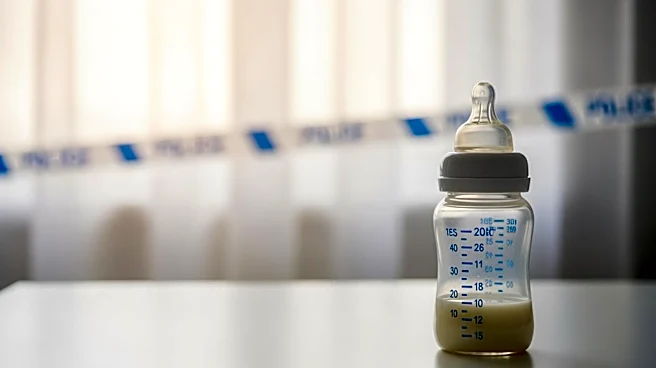
in state legislatures, with a bipartisan bill in the U.S. House aiming to prevent federal restrictions on interstate raw milk sales. Proponents argue for consumer choice and compare raw milk to other regulated products like alcohol and tobacco. However, public health experts warn of the risks associated with raw milk, which can harbor harmful bacteria such as E. coli, salmonella, and listeria. The Centers for Disease Control and Prevention (CDC) has documented over 200 outbreaks linked to raw milk from 1998 to 2018, resulting in numerous illnesses and hospitalizations.
Why It's Important?
The push for raw milk legalization highlights a significant public health debate. Advocates argue for personal freedom and the right to choose unpasteurized products, while health officials emphasize the potential dangers. The outcome of this legislative push could impact food safety regulations and public health policies nationwide. If raw milk becomes more widely available, it could lead to increased outbreaks of foodborne illnesses, posing a risk to vulnerable populations, especially children. The debate also reflects broader societal trends towards natural and organic products, challenging traditional food safety practices.
What's Next?
As the legislative process unfolds, the federal government may consider revising its stance on raw milk. The Food and Drug Administration (FDA) could potentially revoke the ban on interstate sales or establish national standards for raw milk safety. The outcome of the Interstate Milk Freedom Act and state-level bills will determine the future accessibility of raw milk. Public health officials and consumer advocacy groups are likely to continue voicing concerns, while proponents push for regulatory changes that favor raw milk availability.
Beyond the Headlines
The raw milk debate underscores a cultural shift towards questioning established food safety norms and embracing natural products. It raises ethical questions about consumer rights versus public health responsibilities. The movement also reflects a growing distrust in regulatory bodies and a desire for more localized, farm-to-table food systems. Long-term, this could influence how other food products are regulated and perceived by the public.