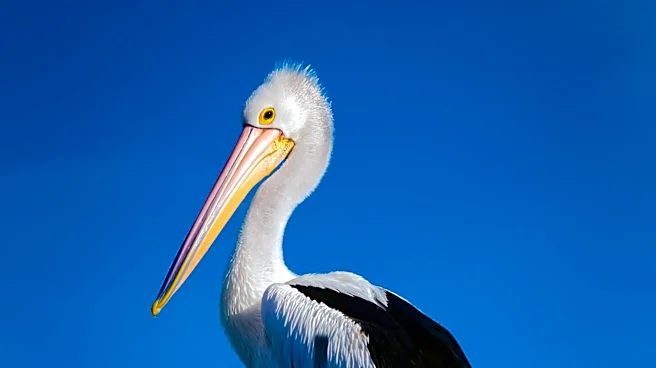

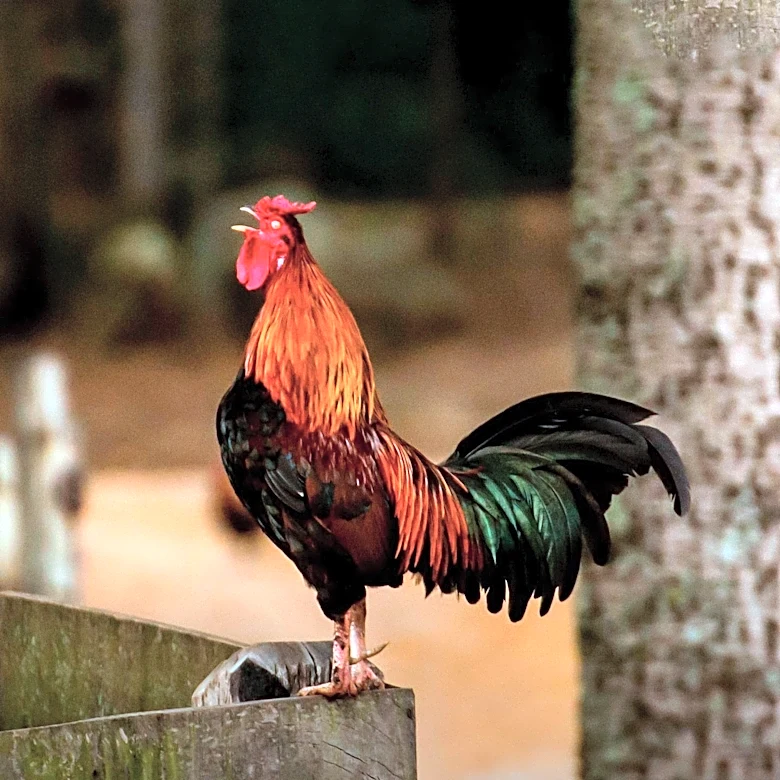


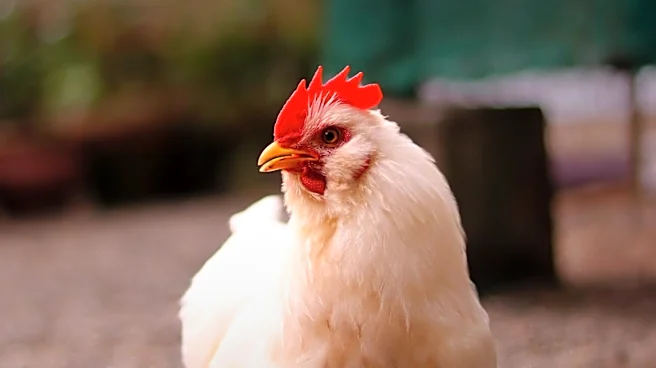


What's Happening?
Australia has reported over 200 confirmed cases of the H5N1 bird flu across five states, with South Australia experiencing the majority of cases. The virus, which affects wild birds, has not been detected in commercial poultry. The Australian Centre for
Disease Control has noted that while human infections are rare, the virus poses a significant risk to wildlife and pets. Authorities have implemented a federal framework for poultry biosecurity and are advising pet owners to limit their animals' contact with wild birds. The outbreak has prompted increased surveillance and biosecurity measures to prevent the virus from spreading to livestock.
Why It's Important?
The H5N1 outbreak in Australia is a major concern for the country's biodiversity, as it threatens numerous native bird and mammal species. The economic implications are also significant, as an outbreak in commercial poultry could lead to trade restrictions and economic losses. The situation underscores the need for effective biosecurity measures and public awareness to prevent the spread of the virus. The outbreak also highlights the interconnectedness of wildlife health and agricultural industries, emphasizing the importance of monitoring and managing zoonotic diseases.
What's Next?
Australian authorities are continuing to monitor the situation closely, with increased surveillance of wildlife and biosecurity measures in place. The government is urging the public to report any sightings of sick or dead birds and to avoid contact with wildlife. The focus will remain on preventing the virus from entering commercial poultry operations and protecting native wildlife. The situation is being closely watched by international health organizations, and further developments are expected as the outbreak progresses.