







What's Happening?
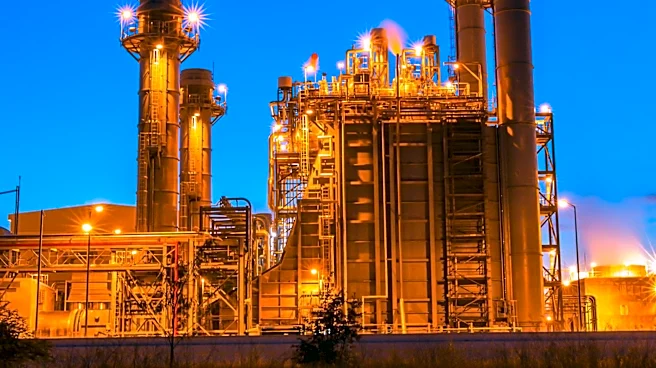
Pacific Gas and Electric Company (PG&E) currently operates three natural gas-fired power plants in California. These facilities are the Humboldt Bay Generating Station located in Eureka, the Colusa Generating Station in Colusa County, and the Gateway
Generating Station in Antioch. These plants are part of PG&E's broader power generation portfolio, which also includes hydroelectric, fossil, solar generation, and battery storage facilities. The company's power generation division is responsible for operating and maintaining these assets, providing approximately 5,300 megawatts of generating capacity to its customers. PG&E's operations are focused on delivering safe, reliable, and cost-effective generation to California while adhering to environmental responsibilities. The mention of these specific natural gas plants comes in the context of job descriptions for project managers and engineers within PG&E's power generation unit, highlighting their ongoing operational status.
Why It's Important?
The continued operation of these natural gas-fired plants is significant for California's energy landscape, particularly as the state navigates its energy transition goals. Natural gas plants provide a crucial source of dispatchable power, meaning they can be ramped up or down quickly to meet fluctuating electricity demand, especially when intermittent renewable sources like solar and wind are not generating sufficient power. This reliability is vital for grid stability and preventing blackouts. However, the reliance on natural gas also presents challenges, as California aims to reduce greenhouse gas emissions. The balance between maintaining grid reliability and transitioning to cleaner energy sources is a key policy and operational concern for utilities like PG&E. The ongoing presence of these plants underscores the complexities and trade-offs involved in achieving a fully decarbonized energy system while ensuring consistent power supply for millions of residents and businesses.
What's Next?
PG&E's future energy strategy will likely involve a continued balancing act between maintaining reliable power generation from existing assets, including natural gas plants, and investing in new renewable energy and storage solutions. The company has already added 33 gigawatts of renewables and storage in the past five years, with plans for an additional 22 gigawatts by 2030. This indicates a clear trajectory towards increased renewable integration. However, the role of natural gas as a bridge fuel or a backup for grid stability will remain a critical consideration. Future developments may include upgrades to these natural gas facilities to improve efficiency or reduce emissions, or their eventual phasing out as more advanced and cost-effective renewable and storage technologies become widely available. The ongoing regulatory environment and state-level climate policies will heavily influence the long-term operational plans for these natural gas plants.
Beyond the Headlines
The operation of natural gas plants by PG&E touches upon broader ethical and environmental considerations. While these plants provide essential grid stability, they also contribute to greenhouse gas emissions, which are a primary driver of climate change. This creates a tension between immediate energy needs and long-term environmental sustainability goals. The discussion around these plants often involves debates about energy justice, as communities located near power plants can experience localized pollution impacts. Furthermore, the economic implications are substantial; investments in natural gas infrastructure versus renewable energy sources have different cost structures and long-term financial risks. The ongoing presence of these plants highlights the complex interplay between technological capabilities, economic realities, environmental imperatives, and public policy in shaping the future of energy in California and the broader U.S.