




What's Happening?
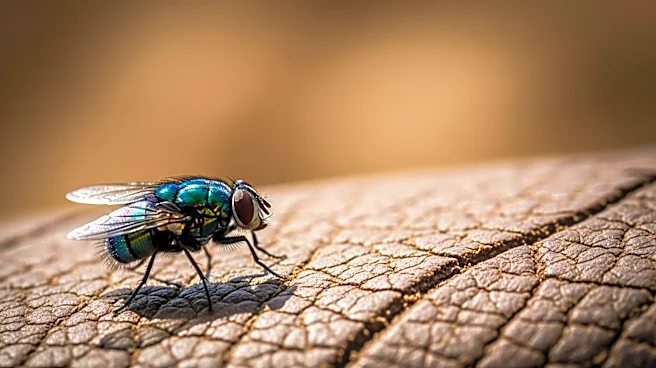
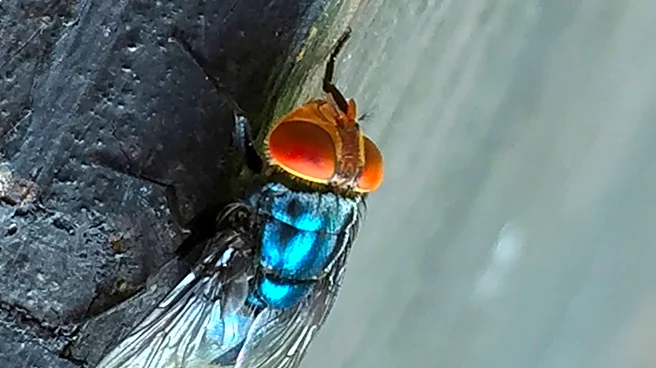
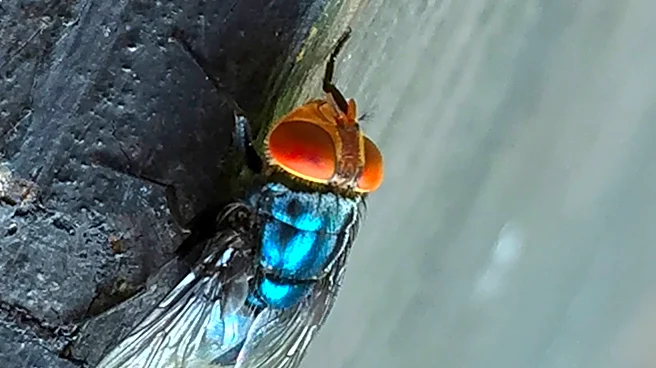
The New World screwworm, a parasitic fly larva, has been detected in a calf near the Mexico border, marking the first case in the state since 1966. Agriculture Secretary Brooke Rollins has assured the public that there is 'no threat of mass infestation.'
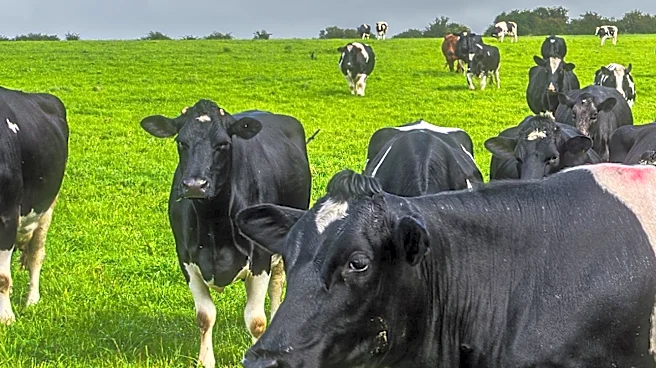
The screwworm larvae feed on the living tissue of warm-blooded animals, posing a risk to livestock such as cattle and potentially other animals like deer and pets. A quarantine zone has been established to prevent further spread. Despite concerns from ranchers and agriculture officials about the financial impact of past infestations, Rollins emphasized that the larvae do not infest food and that infected animals and humans can recover with proper treatment.
Why It's Important?
The reappearance of the New World screwworm is significant due to its potential impact on the livestock industry, which could face economic challenges if the infestation spreads. The screwworm was eradicated in the 1970s, and its return raises concerns about the costs associated with managing and preventing infestations. The quarantine measures are crucial to protect the livestock industry and prevent economic losses. Additionally, the low risk of human transmission is reassuring, but the situation highlights the need for vigilance in monitoring and controlling parasitic outbreaks that could affect both animal and human health.
What's Next?
Efforts will focus on maintaining the quarantine zone and monitoring livestock for further cases. Agriculture officials will likely continue to educate ranchers and the public on preventive measures, such as covering wounds and minimizing skin exposure to prevent fly landings. The situation will require ongoing surveillance to ensure that the screwworm does not spread beyond the current area. Stakeholders in the livestock industry may advocate for additional resources and support to manage the potential threat and mitigate economic impacts.
Beyond the Headlines
The return of the screwworm also underscores the importance of biosecurity measures in agriculture. The incident may prompt a reevaluation of current practices and policies to prevent similar outbreaks in the future. It highlights the interconnectedness of global ecosystems and the potential for diseases to reemerge, necessitating international cooperation in monitoring and controlling parasitic threats. The situation also serves as a reminder of the delicate balance between human activities and natural ecosystems, where changes can lead to unexpected consequences.