





What's Happening?
The article discusses the historical context surrounding the seizure of Arlington House and its grounds during the Civil War, emphasizing that the confiscation was due to military necessity rather than Robert E. Lee being deemed a traitor. Early in the war,
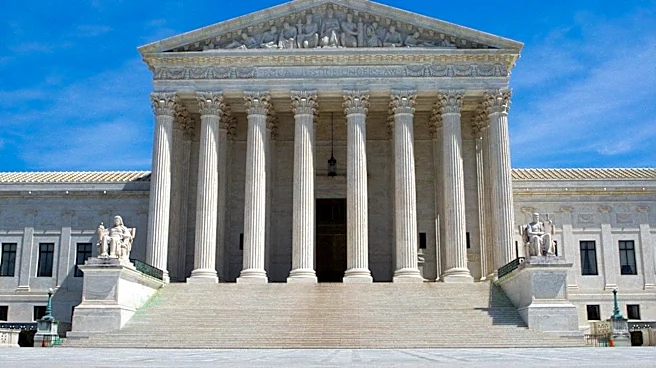
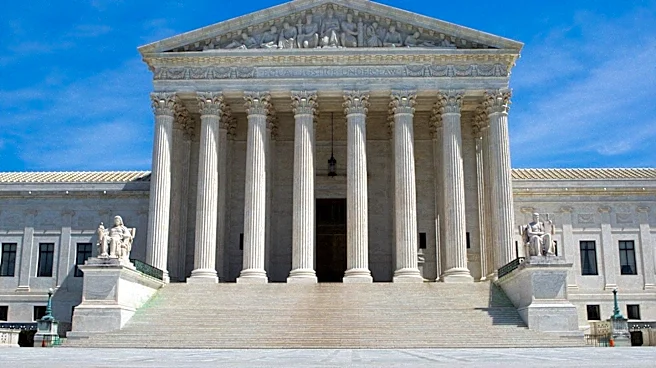
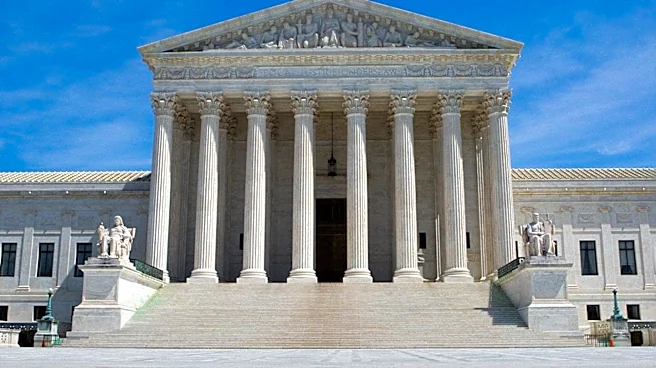
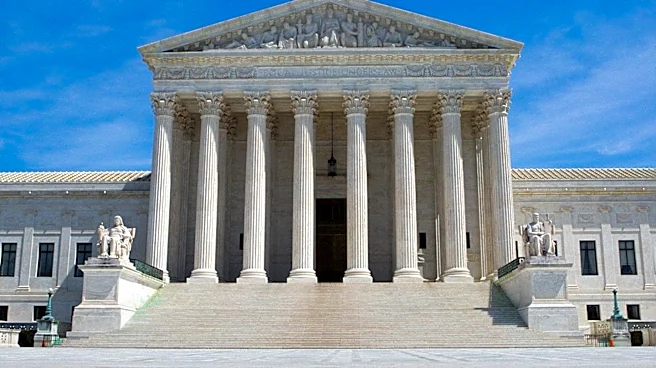
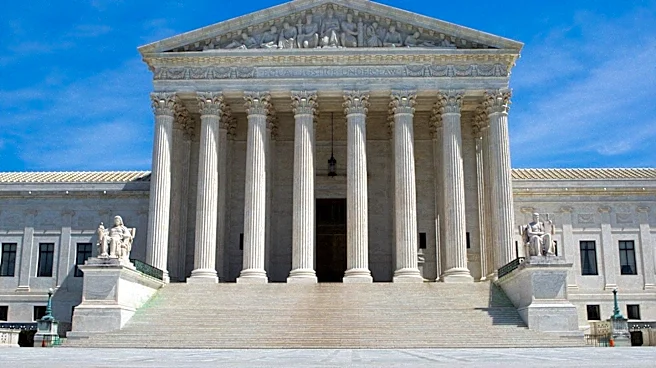
the home served as a headquarters for several Union generals, including Irvin McDowell, Winfield Scott, Montgomery Meigs, and George McClellan. The federal government justified the seizure by claiming unpaid property taxes in 1863. Mary Lee, Robert E. Lee's wife, attempted to pay the $92.07 tax through an agent, but authorities refused, demanding the owner appear in person. Following Mary Custis Lee's death in 1873, her eldest son, George Washington Custis Lee, inherited the claim and sued the U.S. government. In 1882, the U.S. Supreme Court, in United States v. Lee (106 U.S. 196), ruled that the government's seizure of Arlington without due process was unlawful, returning the title to the Lee family. Custis Lee subsequently sold the property back to the federal government in March 1883 for $150,000, permanently transferring the title to the United States.
Why It's Important?
This historical account is important as it clarifies a significant legal and historical event concerning property rights and government actions during wartime. The Supreme Court's decision in United States v. Lee established a precedent regarding due process and the limits of governmental power, even in times of national crisis. The ruling underscored the principle that the government cannot seize private property without proper legal procedures, even if the owner is perceived as an enemy of the state. This case contributed to the body of law protecting individual property rights against arbitrary government confiscation. The subsequent sale of the property by Custis Lee to the federal government solidified Arlington's status as a national cemetery, transforming a contested private estate into a revered public space, which continues to serve as a prominent military burial ground and a symbol of national remembrance.
What's Next?
While the historical events surrounding Arlington House are concluded, the principles established by the U.S. Supreme Court's ruling in United States v. Lee continue to influence legal interpretations of property rights and due process in the United States. Future legal challenges involving government seizures of private property, particularly during emergencies or conflicts, may reference this landmark decision. The ongoing preservation and management of Arlington National Cemetery will continue to be a focus for federal agencies, ensuring its role as a national memorial. Discussions about historical narratives and their contemporary relevance, especially concerning figures like Robert E. Lee and the Civil War, will likely persist, prompting ongoing re-evaluations of historical sites and their interpretations within the public consciousness.
Beyond the Headlines
The story of Arlington House extends beyond a simple property dispute; it delves into the complex interplay of military strategy, legal principles, and personal tragedy during a pivotal moment in U.S. history. The government's initial justification for seizure—military necessity—highlights the tension between national security and individual liberties. The Supreme Court's intervention underscores the judiciary's role in upholding constitutional rights, even when faced with popular sentiment or wartime exigencies. Furthermore, the transformation of a Confederate general's estate into a national cemetery for Union soldiers, and eventually for all U.S. service members, represents a profound symbolic shift. It reflects a national effort to reconcile and redefine collective memory, turning a site of conflict into a place of unity and remembrance, thereby shaping the cultural and historical landscape of the nation.