


What's Happening?
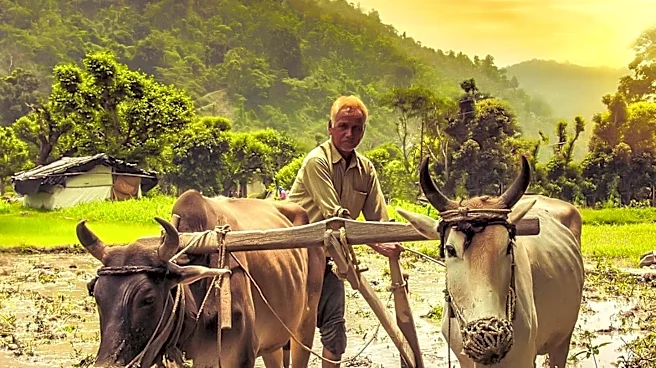
In the eastern hill districts of Nepal, including Dhankuta, the traditional practice of Bethi, a collective paddy plantation activity, is facing extinction due to modernization in agriculture. Bethi, which involves community participation in rice planting
accompanied by folk songs and celebrations, has been a cultural staple for centuries. However, the mechanization of farming and the allure of foreign employment have led to a decline in this practice. The younger generation's disinterest in preserving such traditions further exacerbates the situation. Efforts are being made by local authorities, such as the Agricultural Knowledge Centre in Dhankuta, to preserve the cultural heritage associated with Bethi and Ashare Bhaka, the traditional songs sung during the planting season.
Why It's Important?
The decline of Bethi highlights the broader impact of modernization on cultural traditions. As agriculture becomes more mechanized, traditional practices that foster community bonds and cultural identity are at risk. This shift not only affects cultural heritage but also the social fabric of rural communities, which have historically relied on collective activities for social cohesion. The loss of such traditions could lead to a weakening of community ties and a loss of cultural identity among younger generations. Additionally, the shortage of agricultural labor due to migration for foreign employment poses challenges for local farming practices, potentially impacting food security and rural economies.