





What's Happening?
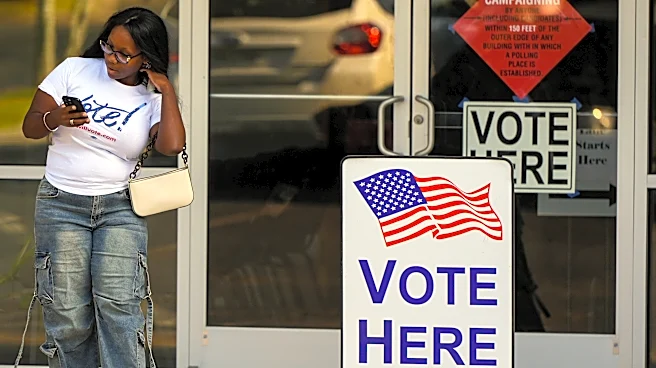
A pending Supreme Court case, Watson v. Republican National Committee, could potentially end the practice of counting mail-in ballots that arrive after Election Day, a practice currently allowed in California and 13 other states. The case, which was argued
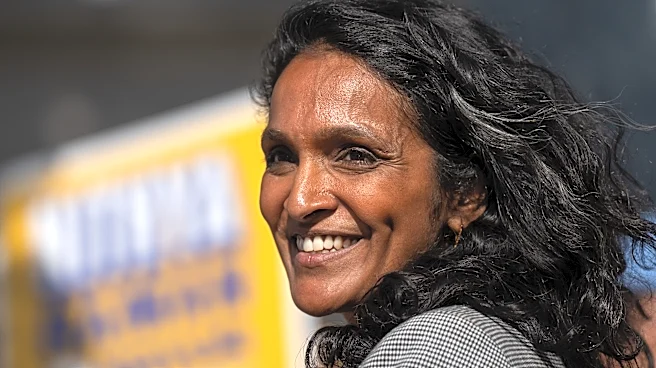
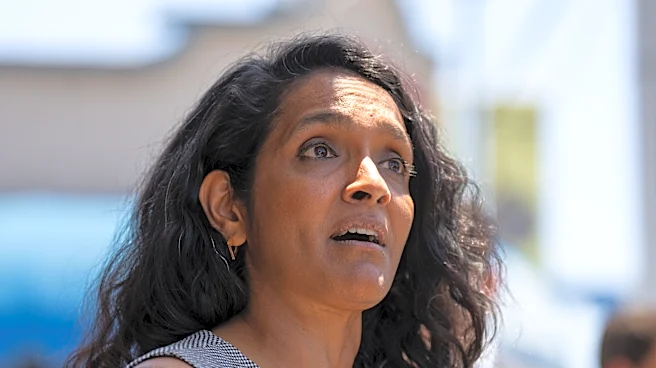
in March, challenges the constitutionality of counting ballots postmarked by Election Day but received later. This issue has been highlighted by the delayed results in the Los Angeles mayoral race, where candidates Spencer Pratt and Nithya Raman are still awaiting confirmation of their advancement to a runoff against incumbent Mayor Karen Bass. The Republican National Committee argues that such delays undermine public confidence in election results. The Supreme Court's decision, expected this month, could have implications beyond Mississippi, where the case originated, potentially affecting election laws in other states.
Why It's Important?
The outcome of this Supreme Court case could significantly impact how elections are conducted across the United States, particularly in states that allow for a grace period for mail-in ballots. If the court rules in favor of the RNC, it could lead to a reduction in the time allowed for counting mail-in ballots, potentially affecting voter turnout and the speed of election results. This case underscores the ongoing national debate over mail-in voting, which has been a contentious issue since the 2020 presidential election. A ruling against the current practice could lead to legislative changes in several states, affecting millions of voters, particularly those who rely on mail-in voting due to distance or disability.
What's Next?
The Supreme Court's decision is expected before the justices' summer recess. Depending on the ruling, states may need to revise their election laws to comply with the new legal standards. This could lead to legislative sessions focused on election reform, with potential pushback from states that favor maintaining their current systems. Additionally, the decision could prompt further legal challenges and debates over the balance between election security and accessibility.