






What's Happening?
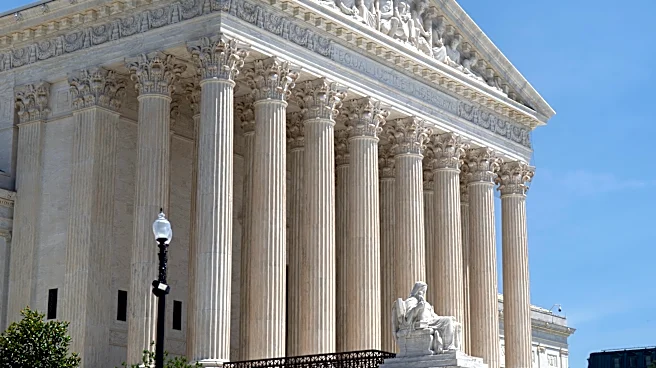
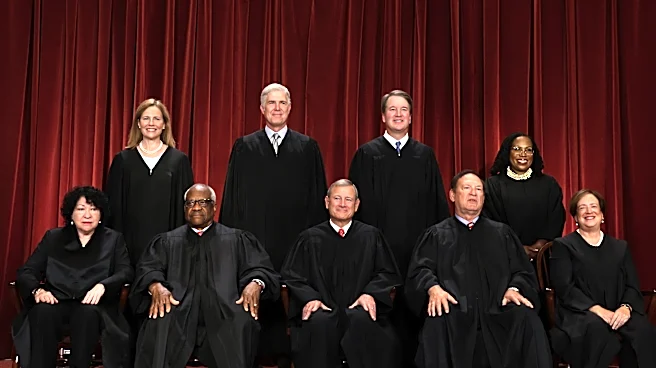
The U.S. Supreme Court recently ruled in favor of upholding birthright citizenship, a decision that reaffirms the 14th Amendment's guarantee that every child born in the United States is a citizen. This ruling came in the case of Trump v. Barbara, where
the court decided by a narrow 6-3 margin. The decision has been met with relief by many, particularly within the Jewish community, as it underscores a fundamental constitutional principle. However, the close vote highlights ongoing political tensions surrounding the issue. The ruling is seen as a victory for those advocating for the rights of immigrants and marginalized communities, but it also serves as a reminder of the persistent challenges to these rights.
Why It's Important?
The Supreme Court's decision to uphold birthright citizenship is significant as it maintains a core constitutional right that affects millions of individuals born in the U.S. This ruling is particularly important for immigrant communities, including American Jews, who have historically relied on this principle for security and belonging. The decision also reflects broader societal debates about immigration and national identity, as political leaders continue to challenge the inclusivity of American citizenship. The ruling's narrow margin suggests that these foundational rights are still vulnerable to political shifts, emphasizing the need for continued vigilance and advocacy to protect them.
What's Next?
Despite the Supreme Court's ruling, the political debate over birthright citizenship is likely to continue. Some political leaders have already expressed their intent to explore alternative methods to challenge this constitutional right. This ongoing discourse may lead to further legal and legislative battles, as well as increased activism from civil rights organizations. The decision also sets the stage for future Supreme Court cases that could address related issues of citizenship and immigration, potentially impacting the legal landscape for years to come.
Beyond the Headlines
The ruling on birthright citizenship touches on deeper issues of national identity and the values that define American society. It raises questions about who is considered an American and the inclusivity of the nation's legal and cultural frameworks. The decision also highlights the role of the judiciary in safeguarding constitutional rights against political pressures. As the U.S. continues to grapple with its diverse demographic makeup, the principles upheld in this ruling will play a crucial role in shaping the country's future.