
What's Happening?
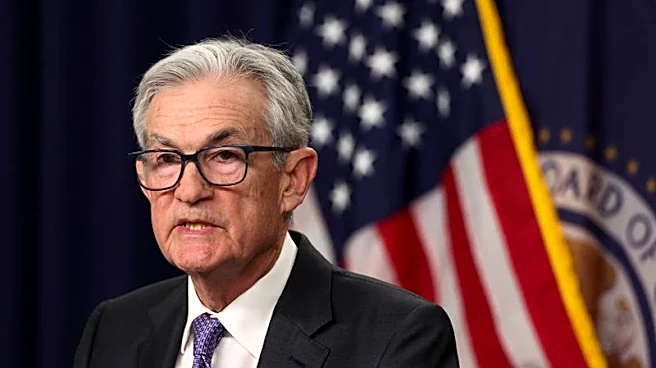
A U.S. district judge has denied the Trump administration's request to reconsider the legality of two subpoenas targeting Federal Reserve Chair Jerome Powell. The subpoenas were initially blocked last
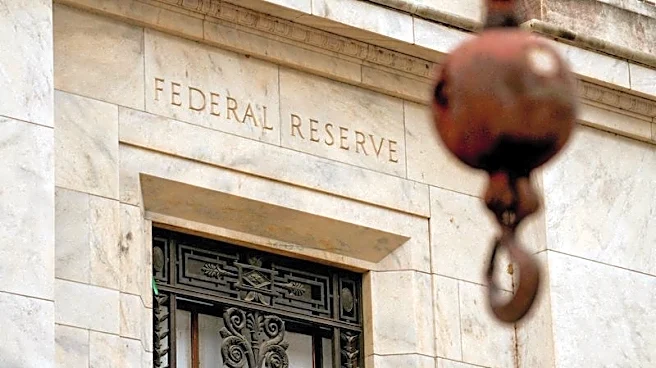
month by U.S. District Judge James Boasberg, who stated that the government failed to provide new evidence or identify any error in his previous ruling. The subpoenas were part of a criminal investigation into the Federal Reserve's headquarters renovation. However, Boasberg argued that the subpoenas were not part of a legitimate investigation but rather a tool to target Powell, following President Trump's pressure on Powell to lower interest rates. The government has the option to appeal the decision, which could delay the confirmation of Kevin Warsh, Trump's nominee to succeed Powell.
Why It's Important?
This ruling is significant as it highlights the ongoing tension between the Trump administration and the Federal Reserve, particularly concerning interest rate policies. The decision to block the subpoenas underscores the judiciary's role in checking potential abuses of power in investigations. The outcome of this legal battle could impact the Federal Reserve's leadership and its policy direction, affecting economic stakeholders who rely on stable monetary policy. Additionally, the delay in confirming a new Fed chair could lead to uncertainty in financial markets, influencing investor confidence and economic planning.
What's Next?
The government may choose to appeal the decision, which could further delay the confirmation of Kevin Warsh as the new Federal Reserve chair. This delay could maintain Jerome Powell in his current role as 'chairman pro tem' until a successor is confirmed. The ongoing investigation and legal proceedings may continue to draw attention from political leaders and financial markets, potentially influencing future policy decisions and nominations within the Federal Reserve.