





What's Happening?
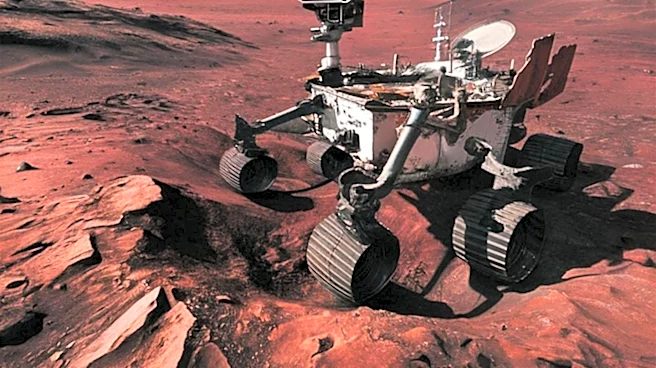
NASA is considering a mission concept for a nuclear-powered rover, named PROMISE (Polar Rover for Observation, Mapping, and In-Situ Exploration), to be deployed to the Moon's South Pole. This initiative is part of NASA's broader Moon Base plans. The rover design
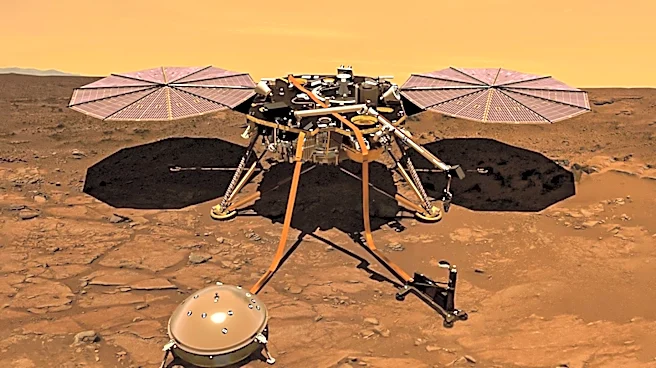
is based on the testbed rovers from the Curiosity and Perseverance Mars missions, which are equipped with flight-proven engineering systems. These systems are capable of carrying technology and scientific instruments that would support the Moon Base efforts. The concept aims to leverage the successful technologies from Mars missions to advance lunar exploration.
Why It's Important?
The development of a nuclear-powered rover for the Moon signifies a significant step in space exploration, potentially enhancing the capabilities of lunar missions. By utilizing nuclear power, the rover could operate for extended periods, providing continuous data and insights about the Moon's South Pole, a region of interest due to its potential water ice deposits. This could pave the way for sustainable human presence on the Moon, supporting future missions and possibly serving as a stepping stone for Mars exploration. The project also highlights the ongoing innovation in adapting existing technologies for new challenges in space exploration.
What's Next?
If approved, the PROMISE mission could lead to the deployment of the rover in the coming years, contributing to the establishment of a permanent lunar base. This would involve further development and testing of the rover's systems to ensure they can withstand the harsh lunar environment. The success of this mission could influence future NASA projects and international collaborations aimed at exploring and utilizing lunar resources. Stakeholders, including government agencies and private space companies, may closely monitor the project's progress, potentially leading to increased investment in lunar exploration technologies.