
What's Happening?
The Canadian agriculture sector is grappling with significant challenges as 2025 comes to a close. According to Shaun Haney, a prominent figure in agricultural media, the year saw a record crop output
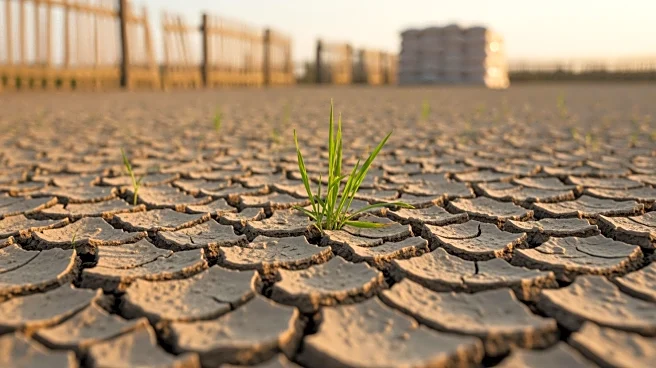
in Saskatchewan and Western Canada, contrasting with the previous year's disappointing yields. However, the sector is still facing hurdles such as tariffs and rising costs. The Canadian government, led by Prime Minister Mark Carney, is under pressure to address trade tensions with China, which have resulted in tariffs on Canadian agricultural products like canola. These tariffs are part of broader geopolitical issues involving Canada, China, and the United States. Farmers are also dealing with the impacts of drought, which has been a persistent issue affecting crop yields and profitability.
Why It's Important?
The challenges facing Canadian agriculture have significant implications for the U.S. and global markets. Canada is a major exporter of agricultural products, and disruptions in its trade relationships can affect supply chains and prices worldwide. The ongoing trade tensions with China and the U.S. could lead to shifts in market dynamics, impacting American farmers and consumers. Additionally, the drought conditions highlight the vulnerability of agriculture to climate change, emphasizing the need for sustainable practices and policies. The situation also underscores the importance of international trade agreements and the potential economic consequences of geopolitical conflicts.
What's Next?
Looking ahead, the Canadian government is expected to engage in diplomatic efforts to ease trade tensions with China. Prime Minister Carney is anticipated to visit China in the first quarter of 2026 to negotiate a reduction in tariffs. Meanwhile, Canadian farmers are likely to continue advocating for government support and compensation to mitigate the impact of these tariffs. The upcoming negotiations related to the Canada-United States-Mexico Agreement (CUSMA) will also be crucial, as they could redefine trade relations in North America. The outcome of these discussions will be closely watched by stakeholders in the agriculture sector and beyond.