





What's Happening?
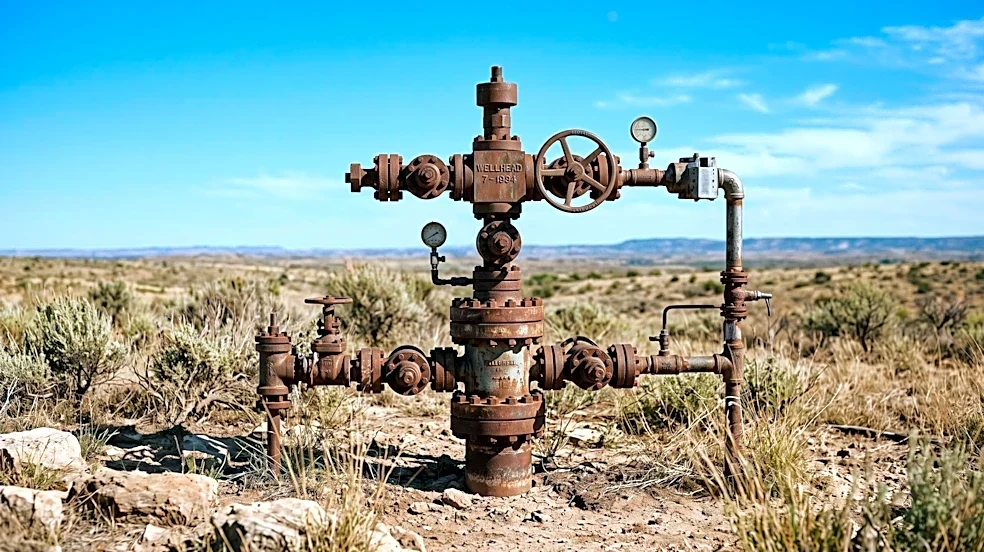
Residents of the Preserve at Medina subdivision in San Antonio, Texas, are living near a plugged oil well, Thompson Callaway Spears #1, that has repeatedly leaked methane and hydrogen sulfide since construction began in 2019. Despite being plugged five
times by the Railroad Commission (RRC) since 2006, the well continues to emit flammable gas, creating a faint rotten egg smell and raising safety concerns. Soil and air monitoring have detected methane plumes migrating towards homes, posing a risk of explosion. Residents like Krystal Solis and Amanda Pacheco were unaware of the well's presence or its issues when they purchased their homes. Texas currently lacks statewide laws requiring disclosure of legacy wells to homebuyers or regulating construction around them, leaving residents vulnerable to potential health and safety hazards.
Why It's Important?
This situation highlights a critical public safety and regulatory gap in Texas, where rapid suburban expansion often encroaches on old oil and gas fields. The lack of mandatory disclosure laws means homebuyers are unknowingly exposed to potential dangers from leaking wells, which can lead to explosions, fires, and adverse health effects from gas exposure. The repeated failure of plugging attempts on the Thompson Callaway Spears #1 well, costing the state over $1 million, underscores the complexity and expense of managing legacy oil infrastructure. This issue affects not only the immediate residents but also raises broader questions about developer accountability, state oversight, and the long-term environmental and health impacts of urban development on former industrial sites. Without stronger regulations, more communities across Texas and other oil-producing states could face similar risks.
What's Next?
The Railroad Commission is currently reviewing a proposed operation to re-plug the Thompson Callaway Spears #1 well using a different strategy and materials, marking what would be the sixth attempt. Both the RRC and the Texas Commission on Environmental Quality (TCEQ) are conducting regular monitoring of the area. Residents, however, remain without clear answers regarding the long-term safety of their homes. Advocacy groups like Commission Shift are calling for mandatory disclosure of past oil and gas activity and building setback standards from old wells to protect future homebuyers. Without legislative changes at the state level, the onus remains on individual homebuyers to conduct extensive due diligence, which is often difficult due to inaccurate mapping and lack of surface markers for plugged wells.
Beyond the Headlines
The ongoing issues at the Preserve at Medina subdivision reveal a deeper systemic problem rooted in the historical development of Texas's oil and gas industry and its intersection with modern urban sprawl. The absence of comprehensive regulations for building near or on top of plugged wells creates a significant ethical dilemma for developers and a substantial liability for the state. This situation also exposes the limitations of current regulatory frameworks, which struggle to keep pace with the challenges posed by aging infrastructure and expanding populations. The potential for methane migration into homes raises serious questions about property values, insurance liabilities, and the psychological toll on residents living with constant fear of explosion or health impacts. This case could serve as a catalyst for legislative reform, pushing for greater transparency and stricter building codes to prevent similar crises in other communities across the state.