





What's Happening?
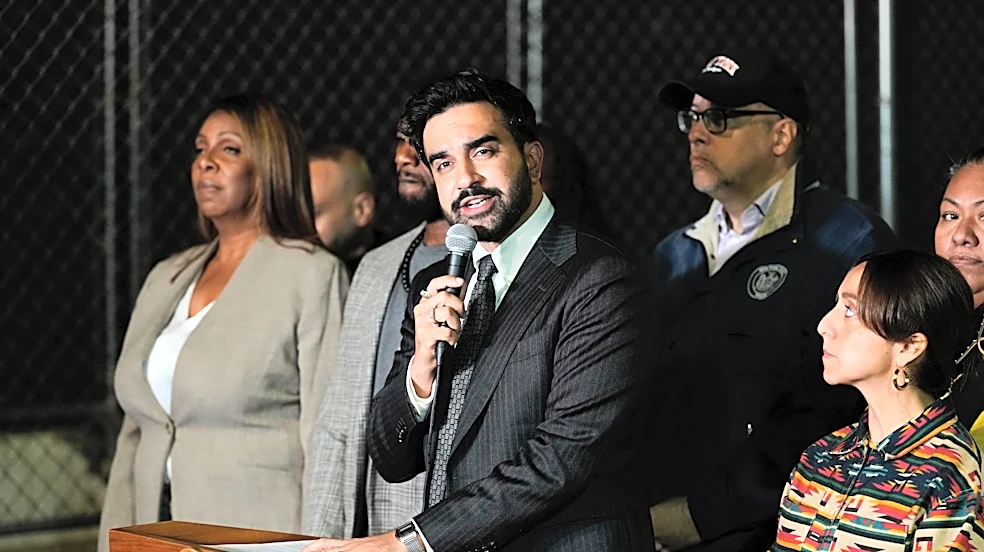
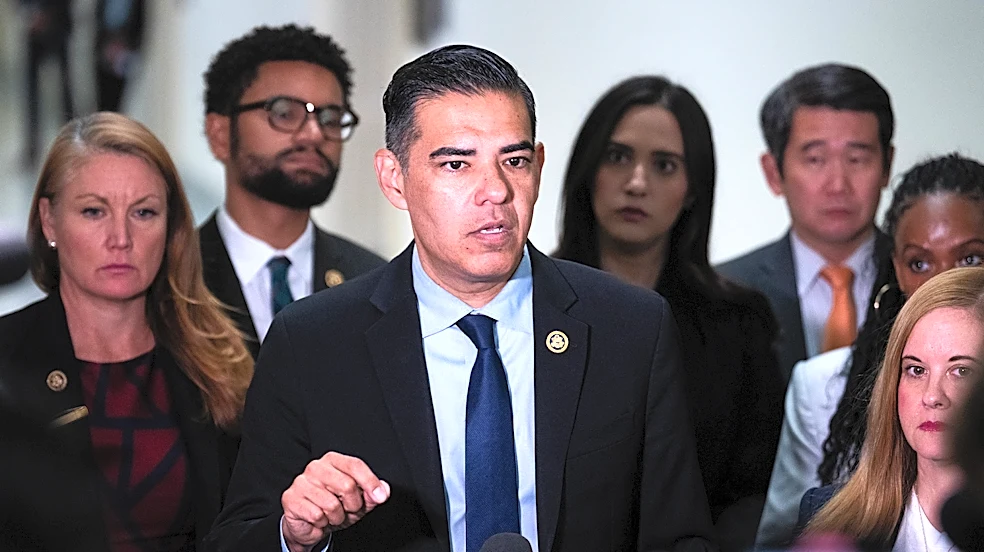
The offices of U.S. Representatives Tom Suozzi and Laura Gillen, both Democrats from Long Island, were among the latest to receive envelopes containing a suspicious powdery substance. On Friday afternoon, an employee in Representative Suozzi's Queens
office discovered a letter with a salt-like substance. Later that evening, Representative Gillen confirmed via a post on X that her office had also received a 'suspicious envelope.' These incidents follow similar reports from dozens of other lawmakers and state election departments over the past two days. Authorities, including the NYPD, responded swiftly to Representative Suozzi's office. The contents of the envelope were examined, and two of his district employees were medically evaluated as a precaution, though they reported feeling fine. Authorities believe the substance is non-toxic. Senator Chuck Schumer and Senator Kirsten Gillibrand also reported similar letters being intercepted on Thursday. The U.S. Capitol Police did not immediately comment on the situation.
Why It's Important?
The receipt of suspicious envelopes by congressional offices underscores a growing concern regarding threats and intimidation directed at elected officials and their staff. This trend highlights the increasing polarization and extremism in the political landscape, which can manifest in acts designed to cause fear and disruption. The incidents evoke memories of the 2001 anthrax attacks, raising anxieties about the safety of public servants and the security of government operations. Such events can lead to heightened security measures, increased operational costs for law enforcement and congressional offices, and a chilling effect on political discourse. The need for robust security protocols and a unified stance against political violence becomes paramount to ensure the continuity of democratic processes and the safety of those involved in public service. The repeated nature of these incidents suggests a coordinated effort, further emphasizing the severity of the threat.
What's Next?
Federal agencies, including the Federal Bureau of Investigation, U.S. Postal Inspection Service, and U.S. Capitol Police, are actively investigating the series of suspicious envelopes sent to congressional offices and state election departments. The House of Representatives' sergeant-at-arms has already issued an alert, urging all House offices to remain vigilant for additional letters. Further investigations will likely focus on identifying the perpetrators and their motives, which could lead to arrests and potential charges. Congressional offices may implement enhanced mail screening procedures and security protocols to mitigate future threats. There could also be calls for increased funding for security measures for lawmakers and their staff. Public statements from political leaders are expected to continue condemning such acts and advocating for a reduction in political extremism and hateful rhetoric. The ongoing investigations will determine the full scope and nature of these threats.
Beyond the Headlines
The recurring incidents of suspicious packages sent to political figures reflect a deeper societal issue of escalating political animosity and the normalization of aggressive tactics in public discourse. Beyond the immediate security concerns, these events contribute to a climate of fear that can deter individuals from entering public service or engaging in political activities. The psychological toll on congressional staff, who are often the first point of contact for such threats, is significant. This trend also raises questions about the effectiveness of current measures to de-escalate political tensions and combat misinformation that fuels extremist behaviors. The incidents highlight the vulnerability of democratic institutions to acts of intimidation and the critical need for a collective societal effort to foster respectful dialogue and condemn all forms of political violence, regardless of their origin. The long-term implications could include a more insular political environment and a greater divide between elected officials and the public.