






What's Happening?
The Libya Energy & Economic Summit (LEES) 2027 is set to take place in Tripoli, focusing on upstream acceleration and gas megaprojects. The summit builds on the outcomes of LEES 2026, which established a significant pipeline of energy and infrastructure
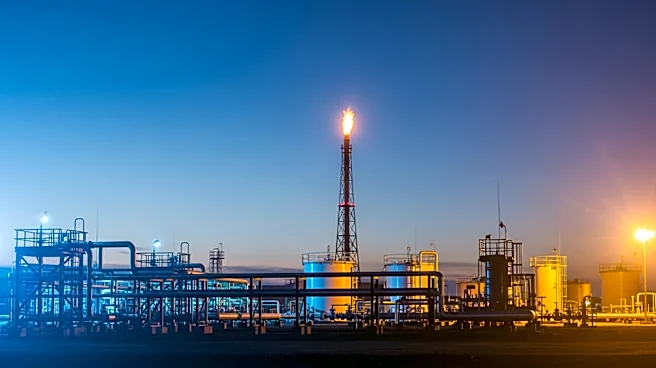
projects. The National Oil Corporation's 2026 licensing round introduced 22 exploration blocks, marking the first such initiative in 17 years. The summit will evaluate seismic results, contract awards, and the transition from exploration to operational development. Libya aims to increase its oil production from 1.4 million barrels per day to 1.6 million in the near term, with a long-term goal of 2 million barrels. Gas monetization and infrastructure development are also key themes, with projects like Eni's $8 billion offshore Structures A&E project on track for completion by late 2027.
Why It's Important?
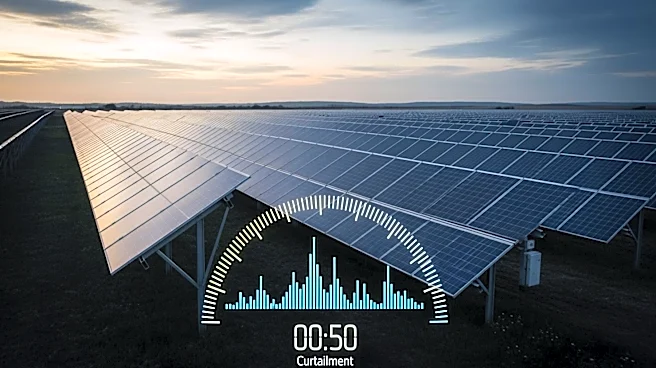
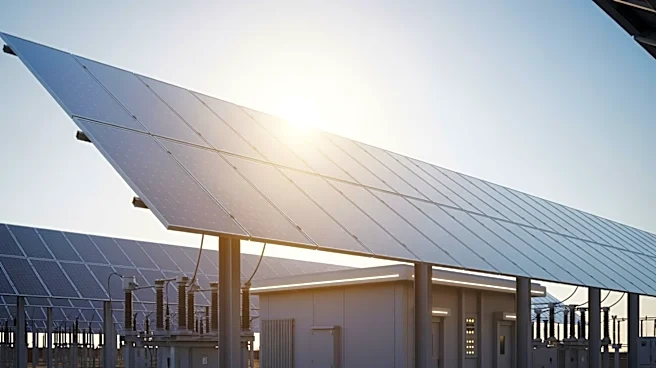
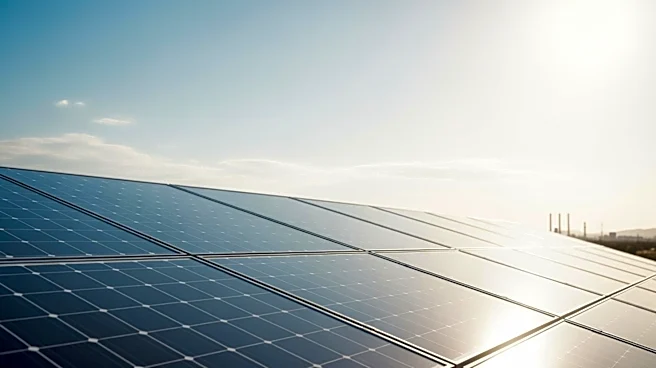
The summit represents a critical step in Libya's efforts to revitalize its energy sector and attract foreign investment. By focusing on upstream expansion and infrastructure development, Libya aims to boost its oil and gas production, which is vital for the country's economic recovery and growth. The initiatives discussed at the summit could lead to increased energy exports, enhancing Libya's position in the global energy market. The focus on renewable energy projects, such as the 4-GW solar roadmap, indicates a strategic shift towards diversifying the energy mix and supporting sustainable development. The summit's outcomes could have significant implications for international energy companies and investors looking to engage with Libya's energy sector.
What's Next?
The summit will serve as a platform for discussing the implementation of licensing frameworks, infrastructure commitments, and production targets. Key stakeholders, including government officials, industry leaders, and international investors, will collaborate to address challenges and opportunities in the sector. The focus will be on converting strategic plans into operational outcomes, with an emphasis on enhancing production capacity and infrastructure. The summit will also explore human capital development initiatives, such as the Energy JEEL program, to build a skilled workforce aligned with Libya's energy transition goals. The outcomes of the summit will likely influence future investment decisions and policy directions in Libya's energy sector.