



What's Happening?
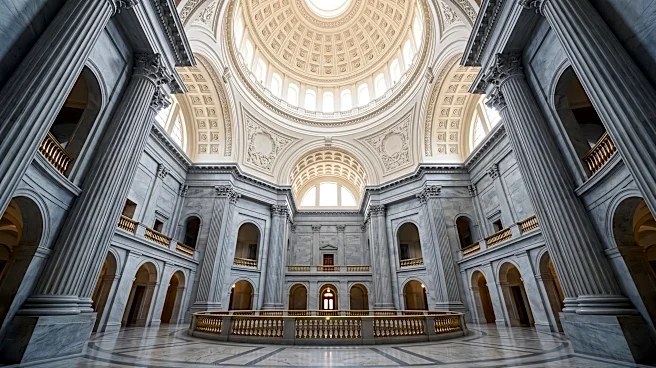
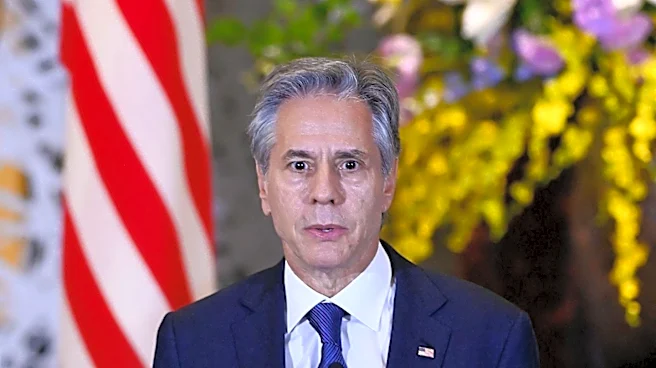
Kyrgyz President Sadyr Japarov has proposed establishing direct air links between Kyrgyzstan and the United States. This proposition was made during a meeting with Utah state officials, held on September 19 at the State Capitol in Salt Lake City. The
discussions extended beyond air connectivity to include potential cooperation in various sectors such as tourism, education, finance, and the mining industry. President Japarov emphasized the significant potential for expanding business ties between Kyrgyzstan and U.S. partners. Utah Governor Spencer Cox expressed a keen interest in further developing mutually beneficial cooperation between Kyrgyzstan and the U.S., indicating a positive reception to the proposed initiatives.
Why It's Important?
The proposal for direct air links between Kyrgyzstan and the U.S., particularly with Utah, signifies a potential expansion of economic and diplomatic relations between the two nations. Direct flights could significantly boost tourism, facilitate business travel, and enhance cultural exchange, thereby strengthening bilateral ties. For U.S. businesses, especially those in Utah, this could open new markets and investment opportunities in Central Asia, particularly in the mining, finance, and education sectors. Conversely, Kyrgyzstan stands to benefit from increased foreign investment, technological exchange, and enhanced access to U.S. educational institutions and tourism markets. This initiative could also serve as a strategic move to deepen U.S. engagement in a region where other global powers are actively expanding their influence, contributing to broader geopolitical stability and economic diversification.
What's Next?
Following President Japarov's proposal and Governor Cox's expressed interest, the next steps would likely involve further diplomatic and technical discussions between representatives from Kyrgyzstan and the U.S. This would include feasibility studies for establishing direct air routes, addressing logistical challenges, and negotiating air service agreements. Concurrently, both sides are expected to explore concrete opportunities for cooperation in tourism, education, finance, and the mining industry. This could lead to the formation of working groups, exchange programs, and trade missions aimed at identifying specific projects and partnerships. The initial positive reception suggests a willingness to move forward, but the implementation will depend on detailed planning and sustained commitment from both governments and private sector stakeholders.
Beyond the Headlines
The initiative to establish direct air links and broader cooperation between Kyrgyzstan and the U.S. carries deeper implications beyond immediate economic benefits. It represents a strategic effort by Kyrgyzstan to diversify its international partnerships and reduce reliance on traditional regional powers, aligning with U.S. interests in promoting stability and economic development in Central Asia. For the U.S., engaging with Kyrgyzstan through such initiatives can enhance its soft power and influence in a geopolitically crucial region. This move could also foster greater understanding and cultural exchange between the two nations, potentially leading to long-term diplomatic benefits. The focus on sectors like education and finance suggests a commitment to sustainable development and institutional strengthening, which could have lasting positive impacts on Kyrgyzstan's societal and economic landscape.