
What's Happening?
The International Energy Agency (IEA) is holding an extraordinary meeting to discuss the potential release of oil stockpiles in response to supply disruptions caused by the ongoing conflict involving Iran. The meeting involves more than 30 member countries,
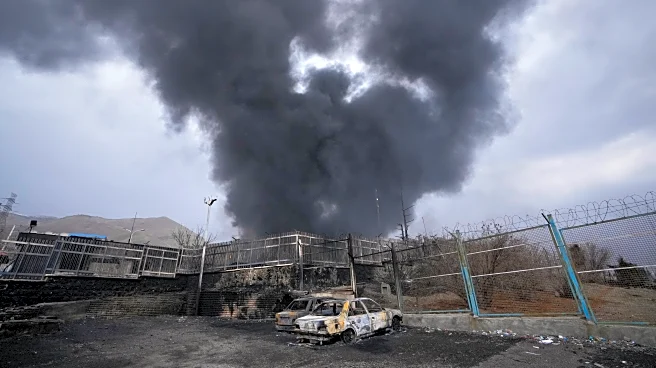
primarily from North America, Europe, and Northeast Asia, who collectively hold about 1.2 billion barrels of oil in reserve. The IEA aims to assess the current security of supply and market conditions to decide whether to make emergency stocks available. This comes as oil prices have fallen over 11% after reaching nearly $120 per barrel due to the disruption. The Group of Seven (G7) nations, which include the United States, have also met to explore options to address the supply issues. The U.S. is considering a joint release of 300 to 400 million barrels, representing 25% to 30% of the reserves. The conflict has severely disrupted oil tanker traffic through the Strait of Hormuz, a critical passage for global petroleum consumption.
Why It's Important?
The potential release of oil reserves by the IEA is significant as it addresses one of the largest oil supply disruptions in history, triggered by the conflict involving Iran. The disruption has affected the Strait of Hormuz, through which about 20% of the world's petroleum consumption passes. The release of reserves could stabilize oil prices and ensure a steady supply, mitigating the economic impact on global markets. The decision is crucial for countries heavily reliant on oil imports, as prolonged disruptions could lead to increased energy costs and economic instability. The involvement of the G7 nations highlights the international concern over the situation and the need for a coordinated response to maintain energy security.
What's Next?
The IEA's decision on releasing oil reserves will depend on the assessment of market conditions and security of supply. If approved, the release could provide temporary relief to global oil markets. However, the ongoing conflict and its impact on the Strait of Hormuz remain critical factors. Stakeholders, including oil-producing nations and global markets, will closely monitor the situation. The U.S. and its allies may continue diplomatic efforts to de-escalate tensions and ensure the security of oil shipments. The outcome of the IEA meeting and subsequent actions will be pivotal in determining the short-term stability of global oil markets.