



What's Happening?
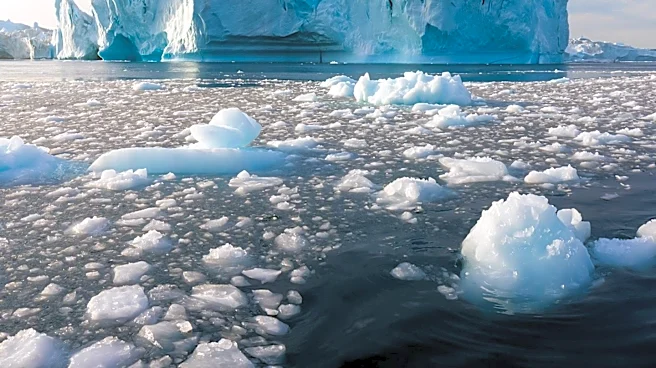
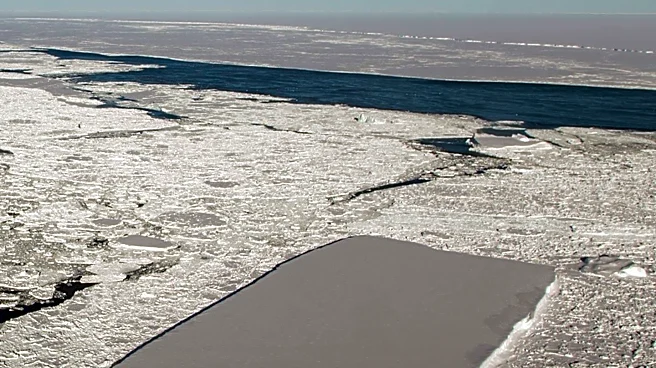
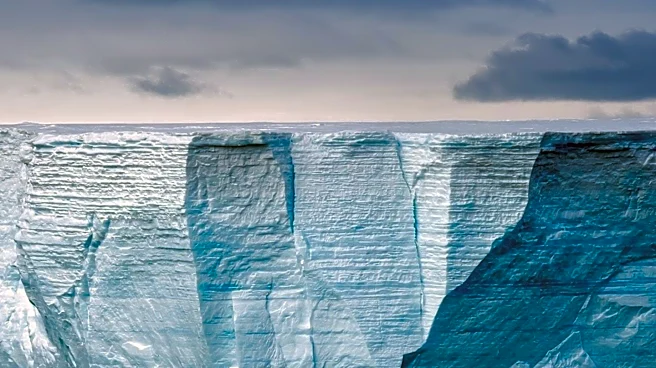
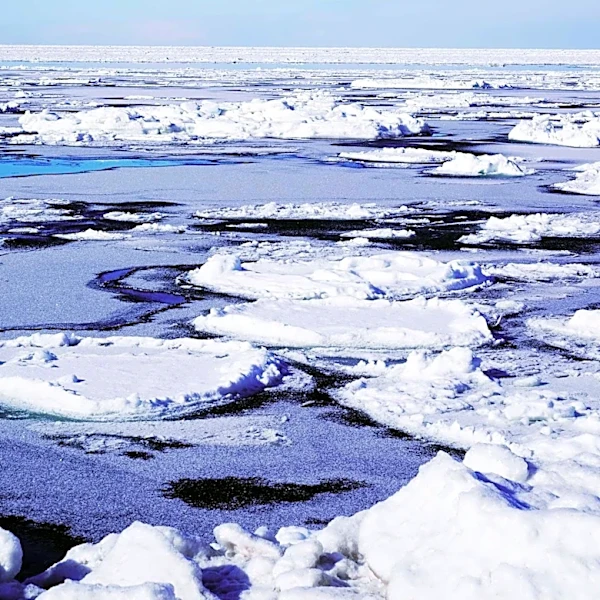
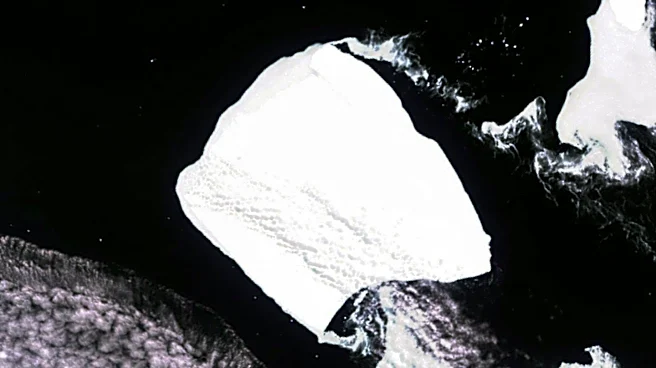
Recent studies and analyses have highlighted the precarious state of the Thwaites Glacier in Antarctica, with predictions of its ice shelf disintegrating within the next year. This event could accelerate the glacier's flow into the sea, contributing significantly
to rising sea levels. The studies emphasize the role of tides, eddies, and feedback loops in the glacier's melting process. Scientists are concerned about the potential impacts of a super El Niño on the glacier's stability. The situation underscores the urgent need to address climate change and reduce carbon emissions to mitigate further environmental damage.
Why It's Important?
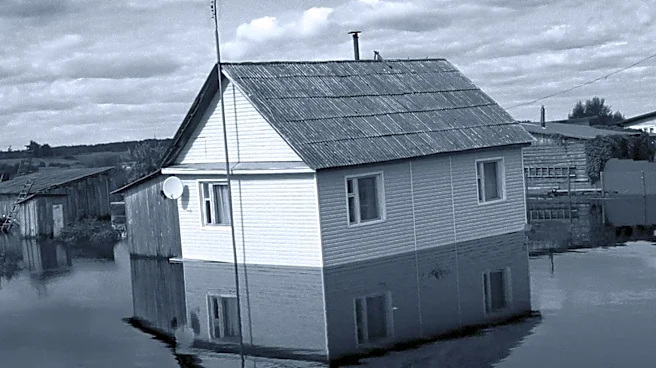
The Thwaites Glacier, often referred to as the 'Doomsday Glacier,' plays a critical role in global sea level rise. Its potential collapse could lead to significant increases in sea levels, affecting coastal communities worldwide. The situation highlights the broader implications of climate change and the urgent need for international cooperation to address environmental challenges. The findings underscore the importance of scientific research in understanding and predicting climate-related events, informing policy decisions, and guiding efforts to mitigate the impacts of climate change.
What's Next?
Scientists will continue to monitor the Thwaites Glacier closely, using satellite data and field observations to track changes in its structure and behavior. Efforts to model the glacier's future and predict its impact on sea levels will be crucial for informing global climate policy. The international community will need to prioritize climate action, focusing on reducing greenhouse gas emissions and investing in sustainable technologies. The situation serves as a reminder of the interconnectedness of global environmental systems and the need for comprehensive strategies to address climate change.