






What's Happening?
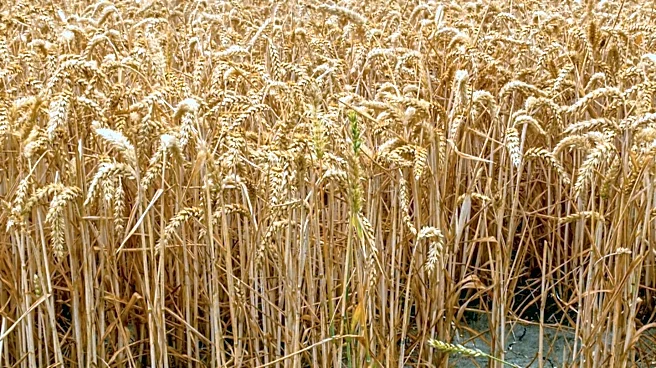
African wheat breeders and scientists from Ethiopia, Kenya, Malawi, and Zimbabwe are strengthening regional collaboration to develop more resilient wheat varieties. This initiative, spearheaded by CIMMYT's Global Wheat Program, addresses shared challenges
such as climate change, drought, erratic rainfall, and emerging diseases. The second Community of Practice (CoP) workshop, held in Addis Ababa, Ethiopia, focused on enhancing technical skills and integrating modern breeding approaches, including genomic, digital, and data-driven tools like the Enterprise Breeding System (EBS). Participants explored various stages of the breeding process, from parent selection to data-driven selection, aiming to make national programs more efficient and responsive to farmers' needs. The collaboration emphasizes knowledge exchange, shared responsibilities, and continuous training to combat the increasing threats to wheat production across the continent.
Why It's Important?
The collaborative efforts among African wheat breeders are crucial for ensuring food security in regions highly vulnerable to climate change. Droughts, erratic rainfall, and new diseases pose significant threats to wheat yields, directly impacting the livelihoods of millions and potentially leading to widespread food shortages. By working together, these countries can accelerate the development and deployment of drought-resistant and disease-tolerant wheat varieties, which are essential for stabilizing agricultural output. This regional approach reduces the isolation of individual breeding programs, allowing for a more efficient use of resources and expertise. The adoption of modern breeding tools and data-driven strategies will not only enhance the genetic gain of wheat but also build stronger institutional capacities and partnerships, fostering long-term resilience against environmental adversities.
What's Next?
The immediate next steps involve the continued integration of modern breeding tools, such as the Enterprise Breeding System (EBS), into national wheat breeding programs. Participants from the CoP workshop will require ongoing training and technical support from CIMMYT to effectively implement these new technologies. Further strengthening regional networks and fostering continuous knowledge exchange among scientists will be critical. The initiative also aims to formalize synergies with other assessment and knowledge management actors, as well as strategic partnerships with key humanitarian stakeholders and decision-makers. These efforts will contribute to developing wheat varieties that are better adapted to drought, erratic rainfall, and emerging diseases, ultimately improving food security and agricultural sustainability across the participating African nations.
Beyond the Headlines
This collaborative breeding initiative highlights a broader shift towards regional self-sufficiency and scientific cooperation in addressing global challenges. Beyond the immediate goal of developing better wheat, it signifies a recognition that complex issues like climate change and food security cannot be tackled in isolation. The emphasis on data-driven approaches and modern breeding tools also points to the increasing role of technology in agricultural development, potentially bridging the gap between traditional farming practices and cutting-edge scientific advancements. This model of 'science without borders' could serve as a blueprint for other regions facing similar agricultural and environmental pressures, fostering a more interconnected and resilient global food system. It also underscores the importance of investing in human capital and institutional capacity building to sustain long-term agricultural innovation.