



What's Happening?
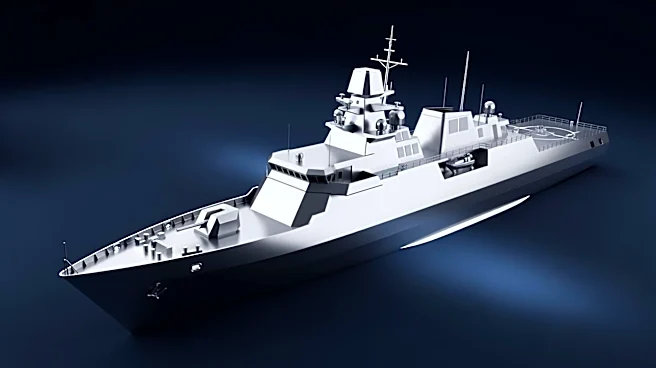
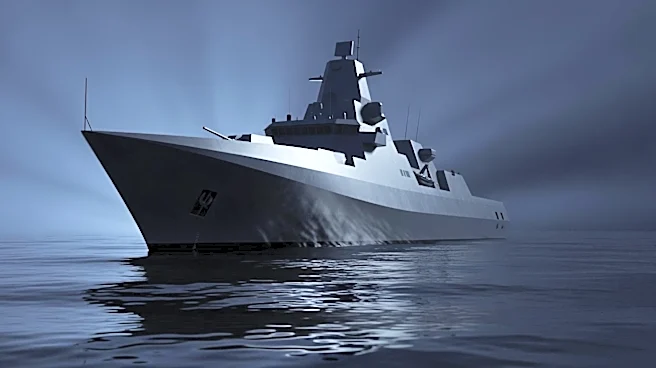
The White House has proposed a significant increase in the U.S. Navy's shipbuilding budget for fiscal year 2027, requesting nearly $65.8 billion, up from $45.1 billion in the current year. This budget aims to fund the construction of 18 warships and 16
non-battle force ships, including initial work on a new class of battleships and next-generation frigates. The proposal is part of a broader $1.5 trillion defense budget plan, which includes $1.15 trillion in regular appropriations and additional funds from a reconciliation bill. The budget also allocates substantial funding for Columbia-class submarines and other naval vessels.
Why It's Important?
The proposed increase in the Navy's shipbuilding budget reflects the U.S. government's commitment to maintaining and expanding its naval capabilities in response to evolving global threats. By investing in new ships and upgrading existing ones, the U.S. aims to enhance its strategic deterrence and maintain a competitive edge in maritime security. The budget also emphasizes the importance of strengthening the defense manufacturing base and supporting technological advancements. This proposal could have significant implications for the U.S. shipbuilding industry, potentially leading to job creation and economic growth in regions with naval shipyards.
What's Next?
The proposed budget will require approval from Congress, where it may face scrutiny and debate, particularly regarding the allocation of funds and the overall size of the defense budget. Lawmakers will need to consider the strategic priorities and potential trade-offs involved in funding such a substantial increase in naval capabilities. If approved, the budget will set the stage for the construction and deployment of new naval vessels, with a focus on enhancing the U.S. Navy's operational readiness and global presence. The outcome of this budget proposal will be closely monitored by defense contractors, policymakers, and international allies.