




What's Happening?
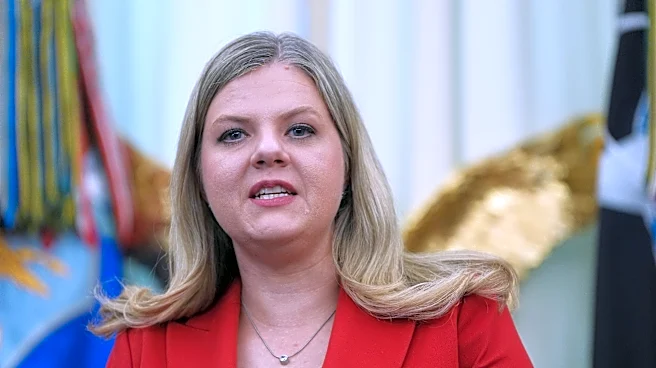
Democratic members of Congress, including Georgia Representatives Nikema Williams and Hank Johnson, Washington Representative Pramila Jayapal, North Carolina Representatives Valerie Foushee and Deborah Ross, and U.S. Senator Raphael Warnock, are advocating
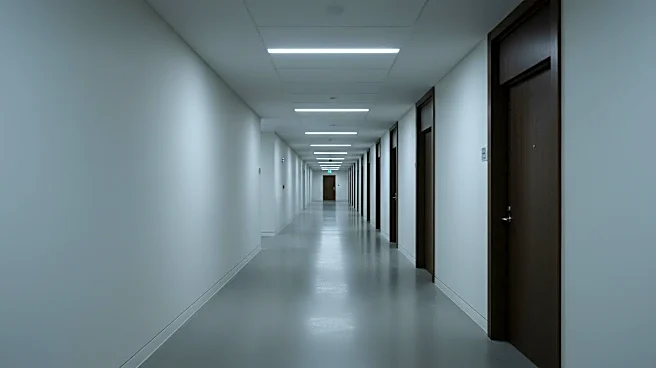
for the closure of the Stewart Detention Center in Lumpkin, Georgia. This call follows an oversight visit to the facility, during which lawmakers reported observing overcrowded cells and inadequate medical care. Representative Jayapal, ranking member of an immigration enforcement subcommittee, described the facility as 'one of the worst in the country,' citing a 2023 government report detailing substandard conditions. Lawmakers also stated that prison staff initially obstructed their oversight efforts and were unable or unwilling to provide information regarding the facility's capacity or the number of detainees without criminal convictions. The Stewart Detention Center, operated by the private company CoreCivic, has been under scrutiny, with reports of at least two detainee deaths this year, including one individual who allegedly waited eight days for medical treatment after coughing up blood.
Why It's Important?
The push by Democratic lawmakers to close the Stewart Detention Center highlights ongoing concerns about the conditions within private, for-profit immigration detention facilities in the U.S. This initiative underscores a broader debate regarding human rights, government oversight, and the role of private corporations in the detention system. Representative Johnson criticized the practice of private companies profiting from immigration detention, arguing that it diverts taxpayer money into the hands of wealthy individuals at the expense of human well-being. The reported lack of transparency and alleged obstruction by facility staff during the oversight visit raise questions about accountability and the ability of elected officials to conduct proper scrutiny of these operations. The remote location of the facility in Lumpkin, a small town, is also cited as a factor limiting public awareness and potentially allowing poor conditions to persist, impacting the lives of numerous detainees and their families.
What's Next?
Following the lawmakers' call for closure, increased scrutiny on the Stewart Detention Center and other private immigration detention facilities is anticipated. The U.S. Department of Homeland Security has not yet responded to requests for comment, but their response will be crucial in determining the immediate future of the facility. CoreCivic, the operator, has disputed the lawmakers' claims, asserting that the facility meets federal standards and provides high-quality medical care. This divergence in accounts suggests a potential for further investigations, public hearings, or legislative actions aimed at reforming or closing such centers. Advocacy groups and immigration attorneys, who have echoed the lawmakers' concerns, are likely to intensify their efforts to highlight detainee conditions and push for policy changes. The situation could also influence future immigration enforcement policies, particularly concerning the detention of individuals during routine check-ins, a practice that has reportedly increased under recent administrations.
Beyond the Headlines
The controversy surrounding the Stewart Detention Center delves into fundamental ethical and legal questions about the U.S. immigration system. The involvement of private, for-profit companies in detention raises concerns about potential conflicts of interest, where the incentive for profit may supersede the welfare of detainees. The reported deaths and inadequate medical care highlight the vulnerability of individuals within these systems and the critical need for robust oversight. Furthermore, the remote location of many detention centers, as noted by Representative Williams, contributes to a lack of public awareness and accountability, creating environments where conditions can deteriorate without immediate public or media attention. This situation also reflects broader societal debates about immigration policy, the treatment of non-citizens, and the balance between national security and human dignity, potentially influencing future legislative efforts to reform immigration and detention practices.