






What's Happening?
Congressman Bill Keating, alongside Peter Wharton, chair of the Martha's Vineyard Commission, and Thomas Ardito, director of the Southeast New England Watershed Grant Program, has announced the allocation of nearly half a million dollars in environmental
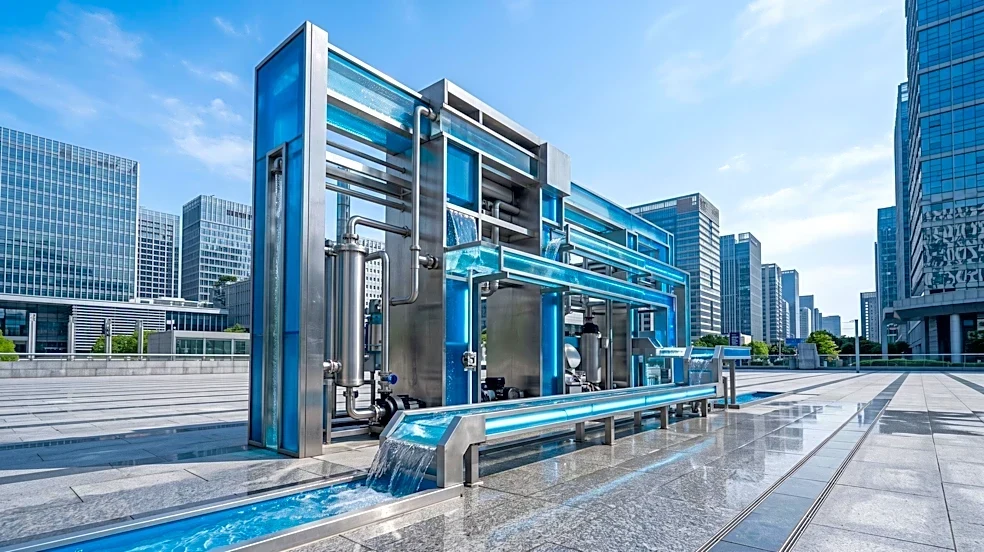
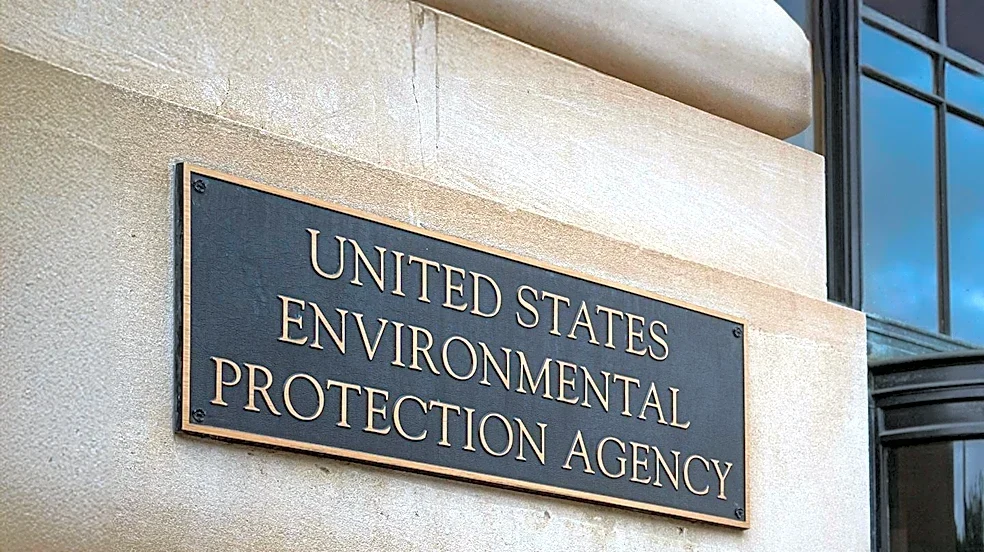
grants. These grants are aimed at combating pollution and climate change on Martha's Vineyard. Specifically, $249,990 has been awarded to the Martha's Vineyard Commission for a permeable reactive barrier to enhance water quality in Lagoon Pond. The Trustees of Reservations received $242,000 for salt marsh and barrier beach restoration on Chappaquiddick, and The Great Pond Foundation was granted an additional $6,000 for water quality monitoring equipment. These funds, provided through the Environmental Protection Agency’s Southeast New England Program, are intended to support climate resiliency efforts and empower local communities to address their environmental needs. The permeable reactive barrier technology, first installed in Lagoon Pond in 2020, has shown significant success in reducing harmful bioavailable nitrogen release, with some areas experiencing a 99% reduction.
Why It's Important?
These grants are crucial for the ecological health and long-term sustainability of Martha's Vineyard, a significant coastal community in the U.S. The funding directly addresses critical environmental issues such as nitrogen pollution, primarily from septic systems, and the impacts of sea level rise. By investing in permeable reactive barriers, the initiative tackles nitrogen contamination, which is a widespread problem in coastal areas and can severely degrade water quality and marine ecosystems. The restoration of salt marshes and barrier beaches is vital for natural defense against rising sea levels and storm surges, protecting coastal infrastructure and habitats. This proactive approach to climate resiliency not only safeguards the environment but also supports the local economy, which heavily relies on tourism and healthy ecosystems. The involvement of federal funding through the EPA underscores a national commitment to supporting local environmental initiatives and adapting to climate change impacts in vulnerable regions.
What's Next?
The awarded organizations will proceed with implementing their respective projects. The Martha's Vineyard Commission will continue with the permeable reactive barrier in Lagoon Pond, building on the success of the initial 2020 installation. The Trustees of Reservations will commence the salt marsh and barrier beach restoration on Chappaquiddick, focusing on ditch remediation and reconnecting channels to maintain natural tidal flow. This restoration is particularly urgent given projections that the Dike Bridge, a critical access point, could be submerged by 2070 due to daily tidal fluctuations. The Great Pond Foundation will utilize the funds to acquire and deploy additional water quality monitoring equipment, enhancing data collection and understanding of local water conditions. Continued monitoring and evaluation of these projects will be essential to assess their effectiveness and inform future environmental strategies for Martha's Vineyard and other coastal communities facing similar challenges.
Beyond the Headlines
The initiative highlights a broader shift towards leveraging scientific and technological solutions for environmental challenges, emphasizing a 'light touch restoration' approach that aids natural healing processes. The use of permeable reactive barriers, which involve injecting vegetable oil into groundwater to convert harmful nitrogen into atmospheric nitrogen gas, exemplifies innovative, nature-based solutions. This approach not only addresses immediate pollution concerns but also fosters a deeper understanding of ecological processes and their potential for self-restoration. Furthermore, the collaborative effort between federal agencies, local commissions, and non-profit organizations demonstrates a model for effective environmental governance and community empowerment. The long-term success of these projects could serve as a blueprint for other coastal regions grappling with similar environmental degradation and the escalating threats posed by climate change, promoting sustainable practices and resilient ecosystems across the nation.