




What's Happening?
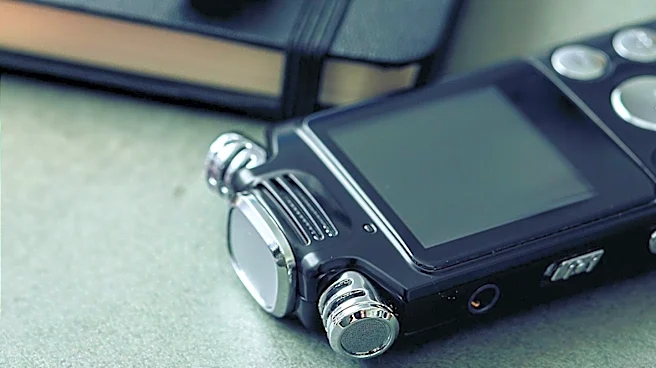
The California Supreme Court has ruled that electronic recording is permissible in civil cases when a court reporter is unavailable and parties cannot afford to hire one. This decision addresses the issue of many civil hearings proceeding without a verbatim
record due to a shortage of professional stenographers and the high cost of hiring them privately. Reform advocates have highlighted the problem's severity, particularly in cases involving domestic violence and family court disputes. A report from the California Access to Justice Commission estimated that over a million hearings went unrecorded in a single year, impacting the ability of parties to appeal.
Why It's Important?
This ruling is significant as it aims to improve access to justice for indigent litigants who previously faced challenges in appealing decisions due to the lack of a verbatim record. By allowing electronic recording, the court seeks to ensure that all parties have a fair opportunity to participate in the judicial process, regardless of their financial status. The decision also highlights the ongoing challenges within the court system, such as the shortage of court reporters, and the need for innovative solutions to ensure that justice is accessible to all.
What's Next?
The ruling applies to all superior courts in California, and it is expected to increase job opportunities for court reporters as courts are required to provide verbatim records to indigent civil litigants. Superior courts with hiring freezes for court reporters may need to lift these restrictions to comply with the ruling. The decision also sets a precedent for other states facing similar challenges, potentially leading to broader reforms in how court proceedings are recorded and documented.