






What's Happening?
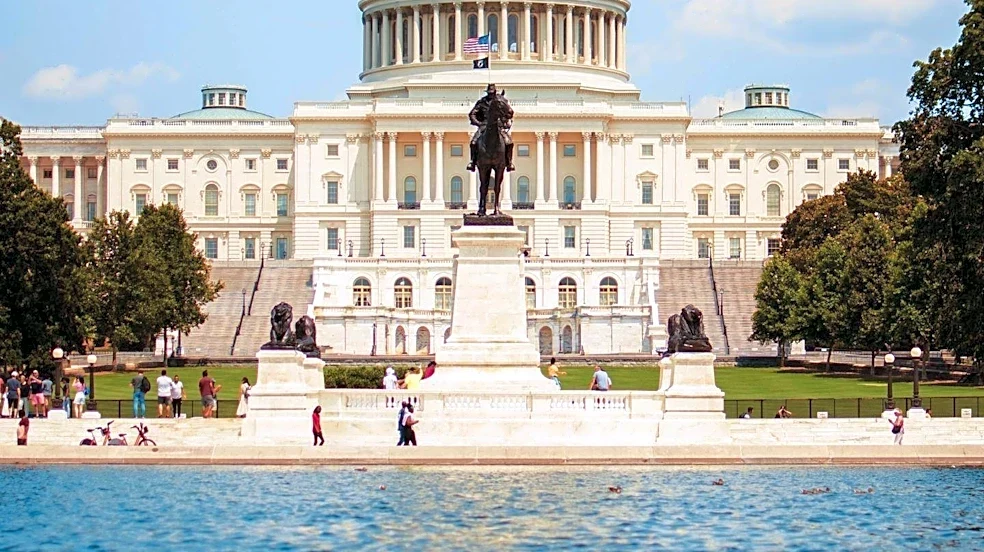
The bipartisan Northwest Wetlands Voluntary Incentives Program (VIP) Act has been introduced in the U.S. House of Representatives by Reps. Val Hoyle (OR), Ryan Zinke (MT), and Kim Schrier (WA). This legislation aims to create a new grant program under
the U.S. Fish and Wildlife Service (USFWS) to provide crucial water infrastructure and on-the-ground habitat support for waterfowl and migratory birds. The program will focus on the Columbia River Basin and the Washington and Oregon coasts, areas vital for waterfowl breeding, migration, and other wildlife like salmon and steelhead. The bill was previously introduced in the Senate as S.1615 by Sen. Ron Wyden (D-OR) and Sen. Mike Crapo (R-ID). If passed, the grants will be directly accessible to western landowners and managers, including farmers and ranchers, to ensure reliable water supplies and infrastructure for their operations. The act also encourages partnerships with eligible grant recipients such as Tribes and nonprofit organizations like Ducks Unlimited.
Why It's Important?
This bipartisan initiative is significant for several reasons. It addresses critical environmental needs in the Pacific Northwest by supporting wetland conservation, which is essential for biodiversity, water quality, and ecosystem resilience. Wetlands provide vital habitats for numerous species and play a crucial role in the region's ecological health. The act's focus on voluntary incentives means it seeks to engage private landowners, farmers, and ranchers directly, recognizing their role in land stewardship. This approach fosters collaboration between conservation groups, government agencies, and local communities, potentially leading to more effective and sustainable conservation outcomes. By providing funding for water infrastructure, the bill also supports agricultural operations, linking environmental protection with economic viability for rural communities. The bipartisan nature of the bill underscores a shared understanding across political divides regarding the importance of natural resource conservation, setting a precedent for future collaborative efforts in environmental policy.
What's Next?
The Northwest Wetlands VIP Act will now proceed through the legislative process in the U.S. House of Representatives. It will likely be assigned to relevant committees for review, debate, and potential amendments. Supporters, including Ducks Unlimited and various regional conservation organizations, will advocate for its passage, highlighting its benefits for wildlife, ecosystems, and local economies. Given its bipartisan introduction in both the House and Senate, the bill has a strong foundation for potential approval. If passed by both chambers and signed into law, the U.S. Fish and Wildlife Service will be tasked with establishing the new grant program, developing guidelines for applications, and distributing funds to eligible recipients. This would lead to increased on-the-ground conservation projects, improved water infrastructure, and enhanced habitats across the Columbia River Basin and coastal areas of Washington and Oregon, benefiting both wildlife and human communities.
Beyond the Headlines
The Northwest Wetlands VIP Act represents a broader trend in conservation policy that emphasizes voluntary, incentive-based approaches rather than regulatory mandates. This strategy often proves more effective in engaging private landowners and fostering a sense of shared responsibility for environmental stewardship. The bill's focus on the Columbia River Basin and coastal areas also highlights the interconnectedness of water resources, agriculture, and wildlife habitats, underscoring the need for integrated management strategies. Furthermore, the inclusion of Tribes as eligible grant recipients acknowledges their historical and ongoing role in land and resource management, promoting more inclusive and equitable conservation efforts. This legislation could serve as a model for other regions facing similar ecological challenges, demonstrating how bipartisan cooperation and community engagement can lead to tangible environmental benefits while supporting local economies. It also reinforces the idea that conservation is not solely an environmental issue but also an economic and social one, requiring diverse stakeholders to work together.