




What's Happening?
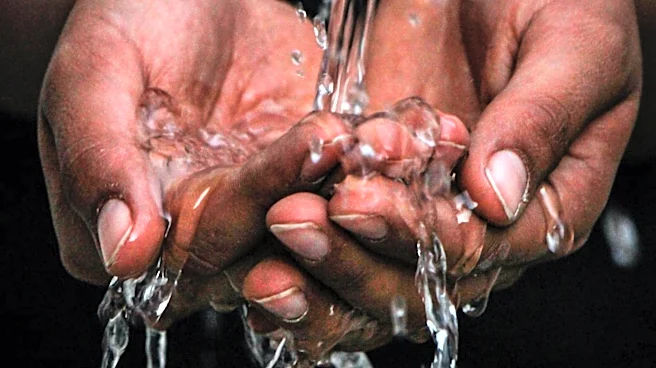
IsraAID is expanding its Regional Response team to address the ongoing humanitarian needs in Gaza. The organization is actively seeking an Arabic-speaking WASH (Water, Sanitation, and Hygiene) professional to serve as a remote Technical Consultant. This
role involves providing technical guidance and support to local staff in implementing WASH infrastructure, troubleshooting engineering issues, and consulting on WASH-related local procurement. The consultant will participate in weekly status meetings with local partners to ensure the establishment of critical WASH infrastructure for affected communities. This initiative aims to strengthen health services and improve access to essential medicines through collaboration with international NGOs, relevant authorities, and partner organizations. The focus is on supporting communities impacted by the ongoing situation in Gaza, where humanitarian needs remain significant.
Why It's Important?
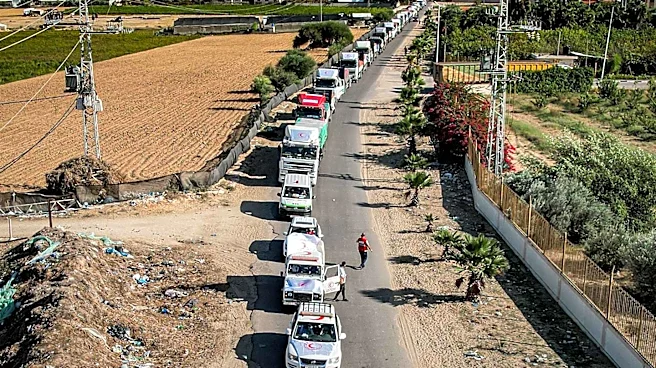
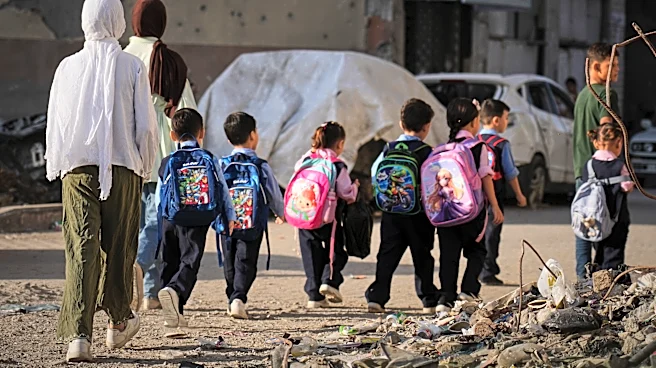
The recruitment of a WASH consultant by IsraAID highlights the persistent and critical need for basic services in Gaza, particularly in water, sanitation, and hygiene. Effective WASH infrastructure is fundamental to public health, preventing the spread of diseases, and ensuring the overall well-being of a population. The ongoing humanitarian crisis in Gaza has severely impacted existing infrastructure, making external support crucial for recovery and stability. This effort by IsraAID underscores the role of international aid organizations in filling critical gaps where local capacities may be overwhelmed or compromised. The success of such initiatives directly impacts the daily lives of residents, influencing health outcomes, living conditions, and the potential for long-term recovery in the region. The focus on remote technical support also reflects the challenges and adaptations required for humanitarian work in complex environments.
What's Next?
The immediate next step for IsraAID is to successfully recruit a qualified WASH consultant who can begin providing remote technical support to their local team in Gaza. Once onboarded, the consultant will commence weekly meetings and ongoing communication to guide the establishment of critical WASH infrastructure. This will involve detailed planning, problem-solving for technical and engineering issues, and advising on procurement processes. The ongoing collaboration with local partners, international NGOs, and relevant authorities will be crucial for the effective implementation of these projects. The success of this initiative could lead to improved health outcomes and living conditions for the affected communities in Gaza, potentially paving the way for further humanitarian interventions and infrastructure development in the region.
Beyond the Headlines
The continuous need for WASH consultants in Gaza points to a deeper, systemic issue of infrastructure degradation and humanitarian dependency in the region. Beyond immediate relief, the long-term implications include the potential for chronic public health crises if sustainable solutions are not implemented. The reliance on remote technical support also highlights the challenges of direct access and on-the-ground operations in conflict-affected areas, pushing humanitarian organizations to innovate their delivery models. This situation also raises questions about the resilience of local infrastructure and the impact of prolonged instability on essential services. Addressing these fundamental needs is not just about providing aid but also about fostering conditions for self-sufficiency and long-term development, which requires sustained international attention and investment beyond immediate emergency responses.