







What's Happening?
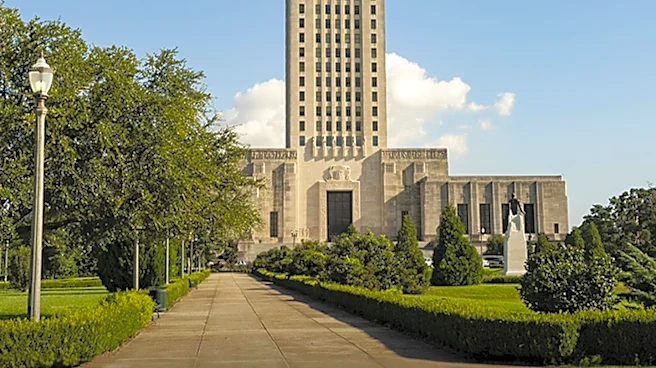
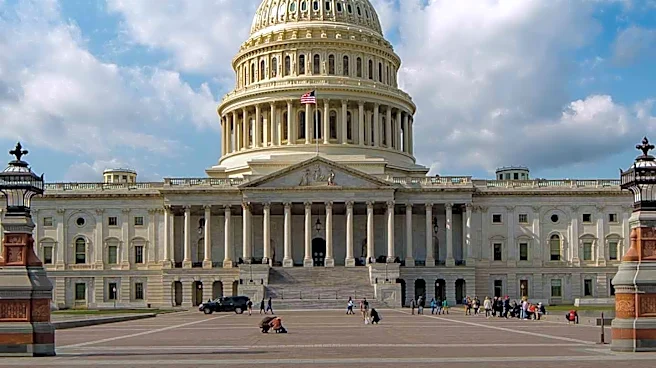
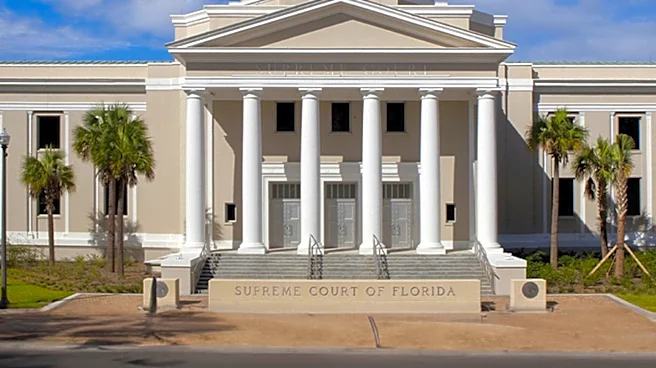
Rep. Cleo Fields, a Democrat from Louisiana, announced he will not seek re-election for a second term in the U.S. House of Representatives. This decision follows a Supreme Court ruling that declared his majority-black district was unconstitutionally gerrymandered.
Fields, who has served in various political roles including nearly 20 years in the state Senate, plans to return to state-level politics. The Republican-controlled Louisiana legislature redrew the congressional map after the court's decision, altering Fields' district to include predominantly white areas around Baton Rouge, instead of the previously included cities of Lafayette and Shreveport.
Why It's Important?
Fields' decision not to run for re-election highlights the ongoing national debate over gerrymandering and its impact on political representation. The Supreme Court's ruling and the subsequent redistricting in Louisiana underscore the legal and political challenges in ensuring fair representation for minority communities. This development could influence the political landscape in Louisiana, as Fields' departure leaves the 6th District without a Democratic candidate, while five Republicans vie for the seat. The case also adds to the broader discourse on voting rights and districting practices in the U.S.
What's Next?
With Fields stepping down, the upcoming elections in Louisiana will be closely watched. The redrawn map means that the November 3 elections will serve as primaries, with candidates needing over 50% of the vote to avoid a runoff. This situation could lead to significant shifts in political power within the state, particularly if the district swings Republican. The outcome may also influence future legislative actions on redistricting and voting rights both in Louisiana and nationwide.