




What's Happening?
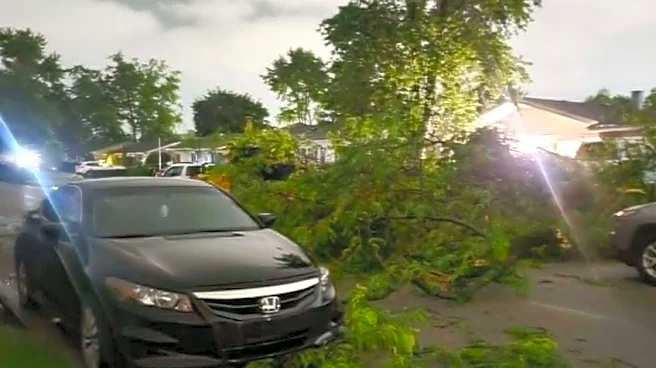
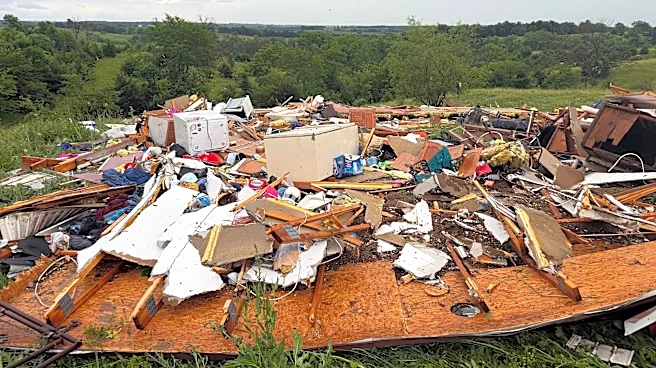
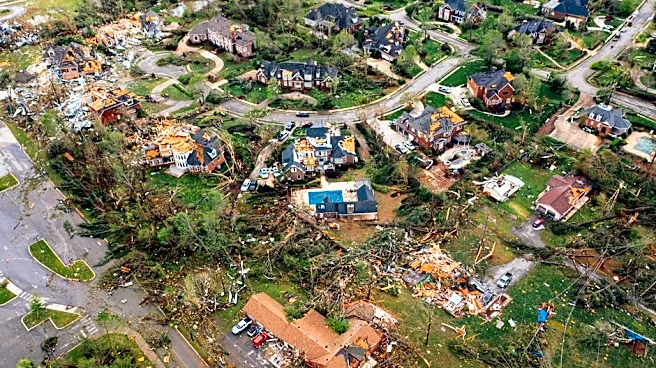
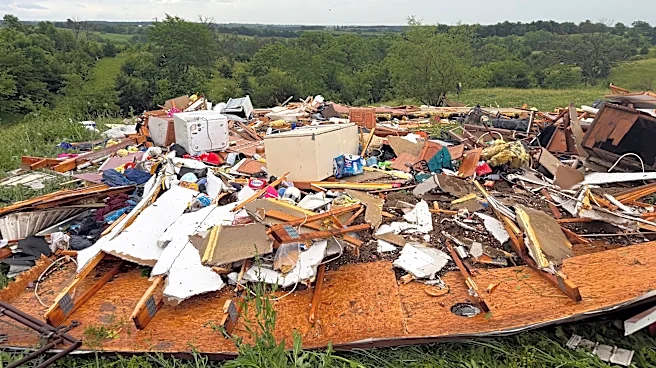
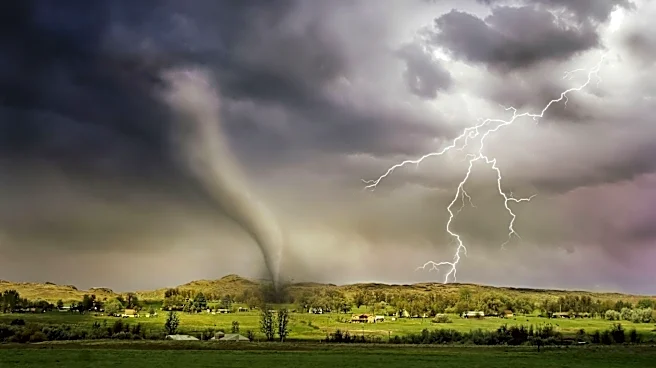
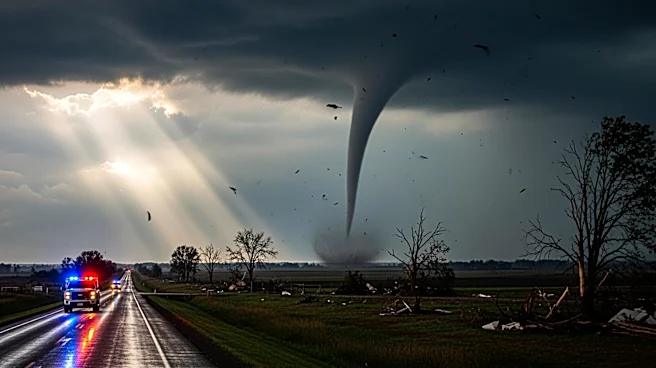
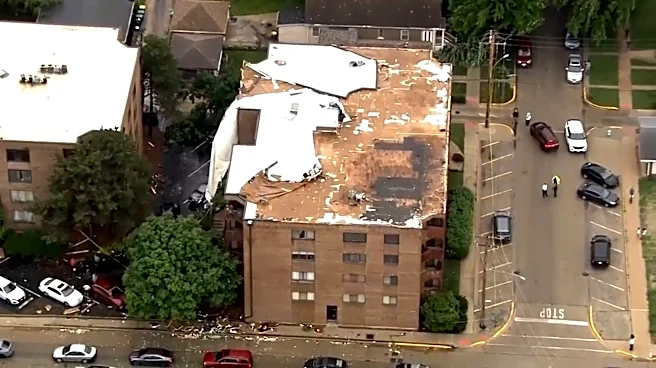
Residents in Illinois and Indiana are dealing with significant damage after a series of tornadoes swept through the region. The storms, which occurred on Thursday, caused extensive destruction, particularly in towns like Merrillville and Hebron in Indiana,
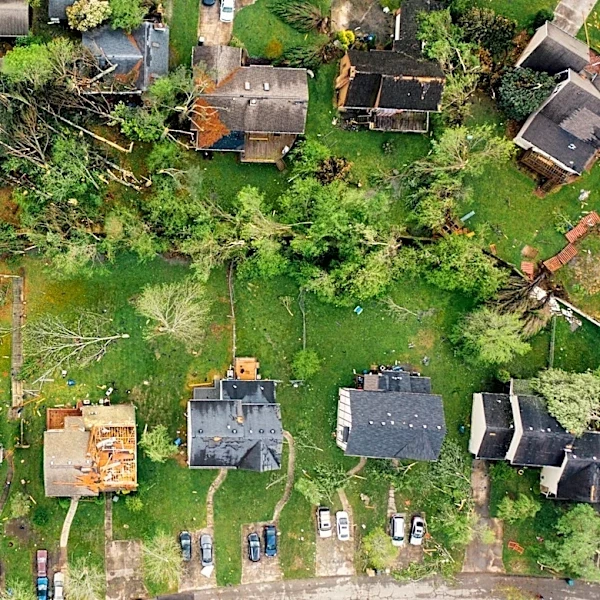
and Streator, Illinois. In Merrillville, over 200 buildings were damaged, with some completely destroyed. The tornadoes also resulted in downed trees and power lines, blocking streets and ripping off part of a high school's roof. The American Red Cross has established a 700-bed shelter to assist those affected. In Streator, nearly a dozen homes were damaged, and a reunification center for displaced residents was set up at the city hall. Despite the extensive property damage, no deaths or life-threatening injuries have been reported, although several individuals sustained minor injuries.
Why It's Important?
The tornadoes have caused significant disruption in the affected areas, highlighting the vulnerability of communities to severe weather events. The damage to infrastructure, including power outages and blocked roads, poses challenges for emergency services and residents. The need for emergency declarations and recovery funding underscores the financial and logistical strain such disasters place on local governments. The response from organizations like the American Red Cross is crucial in providing immediate relief and support to those displaced. The situation also raises awareness about the importance of preparedness and resilience in the face of natural disasters, which are becoming increasingly frequent and severe due to climate change.
What's Next?
Authorities are in the process of assessing the full extent of the damage and are preparing to issue emergency declarations to secure recovery funding. Utility companies are working to restore power, a process that could extend into the following week. As cleanup efforts continue, local governments and relief organizations will focus on providing shelter and resources to affected residents. The situation may prompt discussions on improving infrastructure resilience and emergency response strategies to better handle future severe weather events.