





What's Happening?
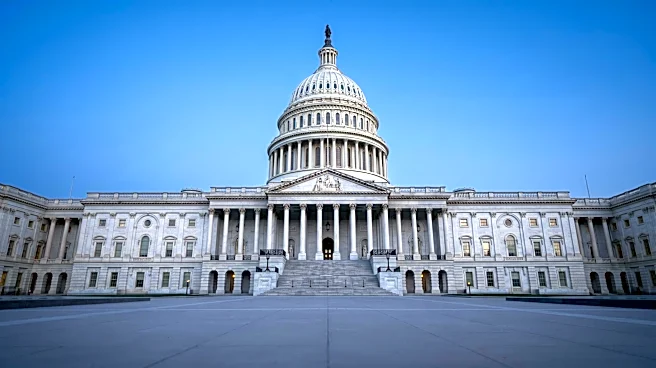
House Republicans have postponed a scheduled vote on a war powers resolution that aimed to compel President Trump to withdraw from the war with Iran. The delay occurred as it became evident that Republicans lacked the necessary votes to defeat the Democratic-sponsored
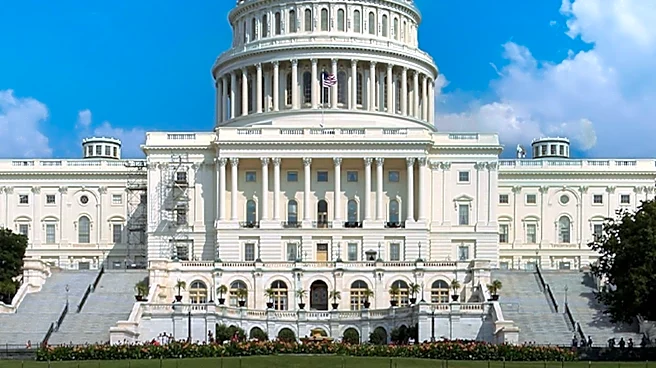
bill. Representative Gregory Meeks, a Democrat who sponsored the resolution and is the top Democrat on the House Foreign Affairs Committee, stated that he had the votes "locked in." This postponement signals growing frustration on Capitol Hill with the ongoing conflict, which President Trump initiated over two months ago without congressional approval. The White House maintains that the requirements of the War Powers Resolution no longer apply due to a ceasefire with Iran, despite President Trump's recent statements about being prepared for a large-scale assault if a deal is not reached. The resolution is a concurrent resolution, meaning it would take effect without President Trump's signature if passed by both chambers.
Why It's Important?
The delay in voting on the Iran war resolution highlights a significant rift within Congress, and even within the Republican party, regarding the President's authority to engage in military conflicts without explicit congressional approval. The War Powers Resolution of 1973 mandates that presidents must seek congressional authorization after 60 days of military engagement. With the conflict in Iran extending beyond this period, many lawmakers, including some Republicans, believe President Trump has exceeded his legal authority. The ongoing war has led to increased gas prices in the U.S. and disruptions in global shipping through the Strait of Hormuz, fueling public and congressional discontent. A successful passage of this resolution would reassert Congress's constitutional role in declaring war and overseeing military actions, potentially setting a precedent for future executive branch engagements in foreign conflicts. Conversely, the failure to pass it could further empower the executive branch in matters of war and peace.
What's Next?
The vote on the war powers resolution is now delayed until June, giving both sides more time to rally support and strategize. Democrats are likely to continue pushing for the resolution, emphasizing the constitutional role of Congress and the economic and human costs of the conflict. Republicans will face continued pressure to either support the President's actions or align with congressional efforts to rein in executive power. The White House is expected to maintain its stance that the War Powers Resolution does not apply, potentially escalating the constitutional debate. The outcome of this vote, whenever it occurs, will have significant implications for the balance of power between the executive and legislative branches concerning military engagements. It could also influence public opinion on the war and President Trump's foreign policy decisions, especially as the 2026 election cycle approaches.
Beyond the Headlines
This legislative struggle over the Iran war resolution delves into the core constitutional question of who holds the authority to commit the nation to war. The War Powers Resolution was enacted to prevent unilateral presidential military actions, a lesson learned from past conflicts. The current debate reflects a recurring tension in U.S. history between the President's role as Commander-in-Chief and Congress's power to declare war. If Congress fails to assert its authority, it could further diminish its role in foreign policy and military decision-making, potentially leading to a more interventionist presidency. Conversely, a successful challenge to President Trump's actions could re-establish a more robust system of checks and balances, ensuring that military engagements have broader democratic consent. This issue also highlights the evolving nature of warfare and the challenges of applying traditional war powers legislation to modern conflicts, which often involve non-state actors and ambiguous threats.