







What's Happening?
Residents in Batam, Indonesia, are protesting severe water shortages, attributing the crisis to the proliferation of data centers in the region. The island, which is experiencing a long drought exacerbated by an El Nino cycle, has seen taps run dry, making
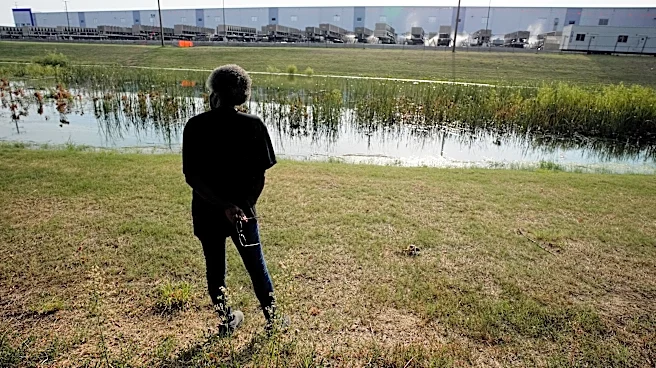
daily activities like cooking and bathing difficult. While local authorities, including Batam mayor Amsakar Achmad, claim the water scarcity is due to weather and climate factors, residents and some reports suggest that data centers, which require significant amounts of water for cooling servers, are contributing to the problem. The Nongsa Digital Park, a cluster of data centers, has been a focal point of these protests. In response to the growing concerns, authorities in late September mandated that developers build seawater desalination plants for cooling to reduce reliance on local freshwater resources. The data center boom in Southeast Asia, driven by a projected tenfold surge in AI use by 2030, is putting pressure on both water and electricity supplies.
Why It's Important?
This situation highlights a critical conflict between rapid technological advancement and environmental sustainability, particularly concerning resource allocation. The AI data center boom, while bringing investment and jobs to regions like Batam, is creating significant environmental and social costs. Water scarcity, exacerbated by climate change, is a growing global concern, and the high water consumption of data centers intensifies this issue for local communities. The protests underscore the need for responsible development and infrastructure planning that considers the long-term impact on natural resources and local populations. If not managed effectively, this conflict could lead to increased social unrest, hinder technological progress, and damage the reputation of tech companies operating in these regions. It also raises questions about the equitable distribution of resources and the accountability of corporations and governments in addressing environmental impacts.
What's Next?
The mandate for data center developers to build seawater desalination plants is a crucial next step, aiming to mitigate the strain on freshwater resources. However, the effectiveness and implementation timeline of this policy remain to be seen. Continued protests are likely if water supply issues persist or if residents perceive that their concerns are not being adequately addressed. Local authorities may face increasing pressure to enforce stricter environmental regulations on data centers and to invest in improving existing water infrastructure. The broader trend of data center expansion in Southeast Asia, driven by AI, suggests that similar conflicts over resource use could emerge in other regions. This situation could also prompt tech companies to accelerate the development and adoption of more water-efficient cooling technologies and sustainable operational practices.
Beyond the Headlines
The Batam water crisis is a microcosm of a larger global challenge: balancing the demands of the digital economy with environmental stewardship. The rapid growth of AI and its associated infrastructure, such as data centers, presents a new frontier for environmental activism and policy-making. This issue extends beyond water to include energy consumption, as data centers also place significant demands on electricity grids, often reliant on fossil fuels. The protests in Batam, and similar movements in Malaysia, indicate a growing public awareness and demand for accountability from the tech industry regarding its environmental footprint. This could lead to a re-evaluation of where data centers are located, with a greater emphasis on regions with abundant renewable energy and water resources, or the development of innovative, closed-loop systems that minimize resource use. The ethical implications of technological progress at the expense of basic human needs, like access to clean water, are becoming increasingly prominent.