






What's Happening?
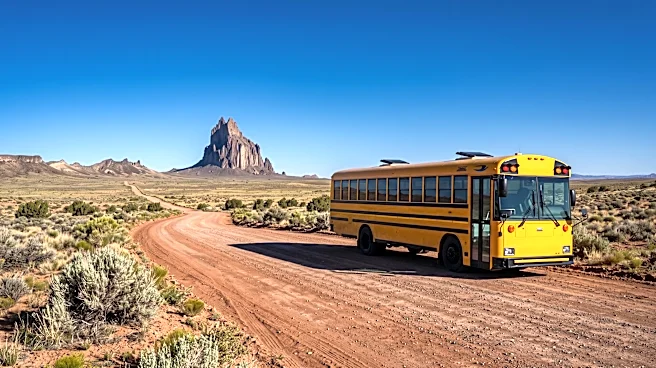
The Department of the Interior (DOI), through its Bureau of Indian Education (BIE), is actively recruiting for a School Bus Driver position in Shiprock, New Mexico. This full-time, school-year position offers a salary range of $22.12 to $31.43 per hour.
The BIE's mission is to provide quality education opportunities from early childhood through life, aligning with the cultural and economic needs of Indian tribes and Alaska Native villages. The DOI prioritizes diversity of experience and cultural perspectives, encouraging applications from all eligible candidates, with a fundamental commitment to diversity, equity, inclusion, and accessibility (DEIA). The role involves operating school buses for daily routes, extracurricular activities, and other school-related transportation needs, often on both improved and unimproved roads. The incumbent will also perform operator maintenance checks and minor repairs, supervise students, and maintain order on the bus. Applicants must possess a high school diploma or GED and a Commercial Driver's License (CDL), which must be maintained as a condition of employment. The position is subject to drug testing and requires an annual physical examination. Indian Preference will be given to qualified Indian candidates in accordance with the Indian Preference Act of 1934.
Why It's Important?
This recruitment highlights the Department of the Interior's ongoing commitment to supporting educational infrastructure within Native American communities, specifically through the Bureau of Indian Education. By seeking a school bus driver, the DOI is directly addressing a critical need for safe and reliable transportation for students in Shiprock, NM, which is essential for their access to education. The emphasis on diversity, equity, inclusion, and accessibility (DEIA) underscores the department's broader policy to foster an inclusive workforce that reflects the communities it serves. Furthermore, the application of the Indian Preference Act of 1934 in hiring for this role is significant, as it aims to promote economic opportunities and self-determination for Native Americans, ensuring that tribal members are prioritized for positions within their communities. This initiative not only fills a vital operational role but also reinforces the federal government's trust responsibility to Indian Tribes by strengthening educational opportunities and supporting the development of future tribal leaders.
What's Next?
The application period for the School Bus Driver position closes on October 23, 2026, at 4:00 pm Mountain (DST) Timezone. Following the closing date, applicants will be rated based on their experience, training, and education as detailed in their resumes. Candidates claiming Indian Preference must submit a verified BIA-4432 form. Selected applicants will undergo a background investigation for a Non-Critical Low Risk Public Trust Position, which includes confirming information provided on the Questionnaire for Public Trust Positions (SF-85P) and the Declaration for Federal Employment (OF 306). Active duty military members selected for the position can only be appointed if on terminal leave or already separated from the armed forces. The successful candidate will be required to maintain a valid CDL, pass annual physical examinations, and adhere to drug testing policies. The Bureau of Indian Education has determined that this position is not suitable for telework.
Beyond the Headlines
The recruitment for a school bus driver, while seemingly a routine administrative task, reflects deeper systemic efforts by the Department of the Interior to fulfill its obligations to Native American communities. The BIE's mission to provide culturally relevant education underscores a recognition of the unique needs and identities of Indian tribes and Alaska Native villages. The Indian Preference policy, a long-standing federal mandate, aims to counteract historical disadvantages and promote economic empowerment within these communities. This hiring process is not just about filling a vacancy; it's about sustaining a critical service that enables educational access, which is a cornerstone for community development and self-sufficiency. The challenges of operating school buses on unimproved roads in potentially inclement weather also highlight the practical difficulties and dedication required to serve remote and often underserved populations, emphasizing the importance of robust support systems for these communities.