


What's Happening?
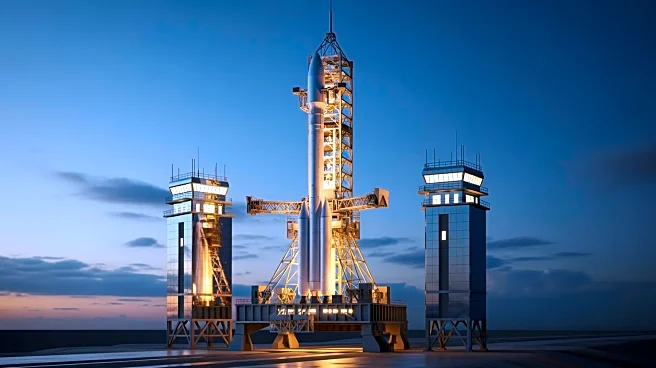
NASA's Artemis II mission is set to make history as the first crewed lunar mission since 1972. The Space Launch System (SLS) rocket and Orion spacecraft have returned to the launch pad at Kennedy Space Center, Florida, after undergoing repairs and system
checks. The mission is scheduled to launch between April 1 and April 6, 2026. The Artemis II mission will send four astronauts, including NASA's Reid Wiseman, Victor Glover, Christina Koch, and Canadian Space Agency's Jeremy Hansen, on a 10-day journey around the moon. This mission is a critical step in NASA's Artemis program, which aims to establish a sustainable human presence on the moon and eventually send humans to Mars.
Why It's Important?
The Artemis II mission is a significant milestone in NASA's efforts to return humans to the moon and pave the way for future deep space exploration. Successfully sending astronauts around the moon will validate the SLS rocket and Orion spacecraft for future missions, including lunar landings and potential Mars expeditions. This mission represents a major technological and strategic achievement, reinforcing the United States' leadership in space exploration. The mission's success could also inspire international collaboration and advancements in space technology.
What's Next?
Following the Artemis II mission, NASA plans to conduct further Artemis missions, including lunar landings and the establishment of a lunar base. The agency is also preparing for potential collaborations with commercial partners like SpaceX and Blue Origin for future lunar landings. The success of Artemis II will inform the planning and execution of these subsequent missions, with the ultimate goal of sending humans to Mars. NASA is also considering backup launch windows in April and May 2026, should any issues arise during the final prelaunch tests.