



What's Happening?
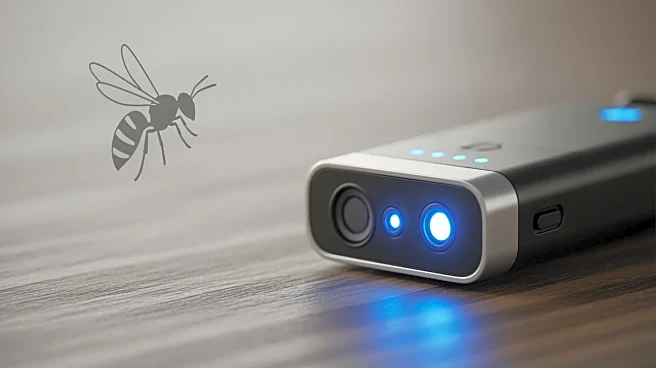
Biosecurity New Zealand is employing advanced radio tracking technology to effectively locate and eradicate yellow-legged hornets (Vespa velutina) in Auckland. The initiative, led by Biosecurity New Zealand commissioner Mike Inglis, involves using small
radio trackers imported from the Netherlands to find hornet queens, workers, and nests. The technology has already helped locate three nests and numerous hornets. The operation includes luring worker hornets to feeding stations, attaching tiny transmitters to them, and tracking their movements to identify nest locations. Thermal drones are also used to assess nest populations. The public has been actively involved, with over 9,700 notifications received, and community engagement efforts are ongoing.
Why It's Important?
The use of this advanced tracking technology is crucial in preventing the spread of the invasive yellow-legged hornet, which poses a significant threat to local ecosystems and agriculture. By effectively locating and destroying hornet nests, Biosecurity New Zealand aims to prevent the establishment of new hornet populations, which could have severe ecological and economic impacts. The operation's success could serve as a model for other regions facing similar invasive species challenges. The involvement of international experts and the local community highlights the importance of collaborative efforts in biosecurity measures.
What's Next?
Biosecurity New Zealand plans to continue its eradication efforts throughout the summer, focusing on locating and destroying hornet queens to prevent new generations from emerging. The operation will maintain its public awareness campaign and ground surveillance activities. The organization encourages the public to report any sightings of hornets or nests. The ongoing collaboration with international experts will provide additional insights and strategies to enhance the effectiveness of the eradication program.