




What's Happening?
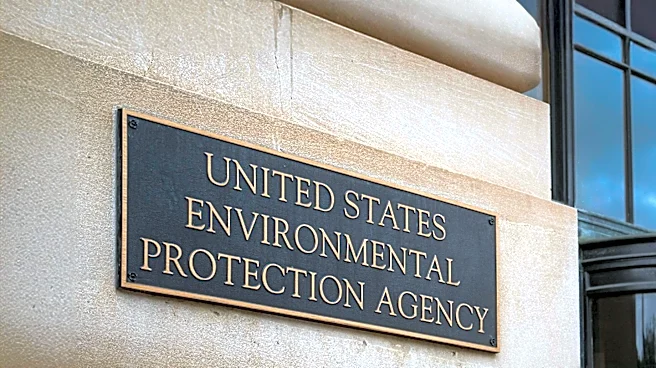
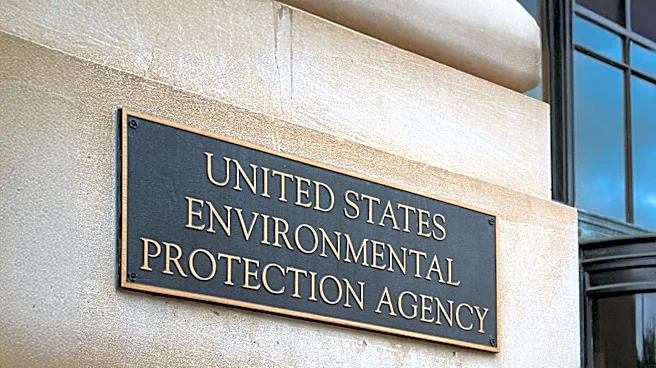
The U.S. Environmental Protection Agency (EPA) has made publicly available 24 studies that were considered in its draft risk evaluation for HHCB, also known as galaxolide, under the Toxic Substances Control Act (TSCA). HHCB is a synthetic musk widely
used in various consumer products, including fragrances, detergents, cleaners, and air fresheners. These studies were temporarily inaccessible to the public due to an administrative issue within the EPA's Health and Environmental Research Online (HERO) database. The issue was resolved on October 14, 2026, and the studies are now available. To ensure transparency and allow the public to review the same information used in the draft assessment, the EPA has opened a 30-day public comment period. This comment period is specifically limited to the newly available materials and will close on December 16, 2026. The EPA emphasizes its commitment to transparency and using the best available science in its TSCA risk evaluations.
Why It's Important?
The public availability of these HHCB studies is crucial for maintaining transparency and public trust in the EPA's chemical risk assessment process. HHCB's pervasive presence in household products means that its risk evaluation directly impacts consumer safety and public health across the United States. The temporary inaccessibility of these studies, even if administrative, could have raised concerns about the thoroughness and impartiality of the EPA's review. By opening a dedicated comment period, the EPA aims to address these concerns and ensure that all stakeholders have an opportunity to scrutinize the scientific basis of the risk evaluation. This process is vital for upholding the integrity of the Toxic Substances Control Act, which is designed to regulate chemical substances and mixtures that pose an unreasonable risk to health or the environment. The outcome of this risk evaluation could lead to new regulations or restrictions on HHCB, affecting manufacturers, retailers, and consumers of products containing this chemical.
What's Next?
The 30-day public comment period for the 24 HHCB studies will conclude on December 16, 2026. Following this period, the EPA will carefully consider all comments received on these newly available materials as it proceeds to finalize the HHCB risk evaluation. The final risk evaluation will determine the potential risks posed by HHCB and may lead to regulatory actions under TSCA, such as restrictions on its use or manufacturing. The EPA's commitment to transparency suggests that the agency will integrate public feedback into its final assessment. This process underscores the ongoing effort to ensure that chemical regulations are based on comprehensive scientific data and public input, ultimately aiming to protect public health and the environment from potential chemical hazards.
Beyond the Headlines
The incident of temporarily inaccessible studies highlights the broader challenges faced by regulatory agencies in managing vast amounts of scientific data and ensuring public access. In an era where public scrutiny of scientific processes is high, even administrative glitches can erode trust. This event also underscores the importance of robust digital infrastructure and clear communication protocols for federal agencies. Beyond the immediate impact on HHCB regulation, the EPA's response sets a precedent for how it handles transparency and public engagement in its chemical review processes. The effectiveness of TSCA and other environmental protection laws relies heavily on the agency's ability to conduct thorough, transparent, and scientifically sound assessments, which in turn requires public confidence and participation.