





What's Happening?
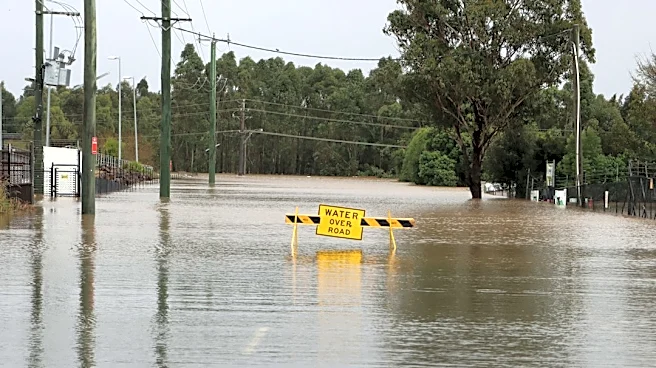
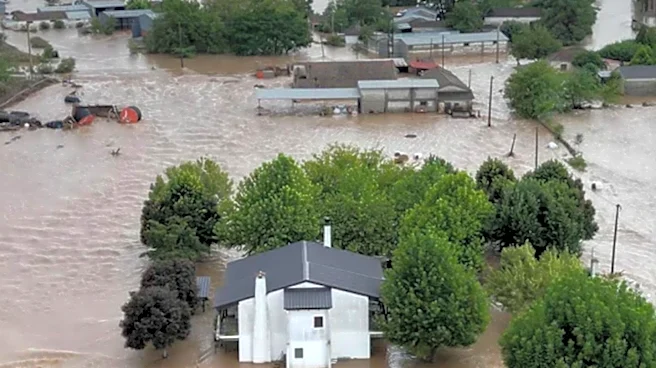
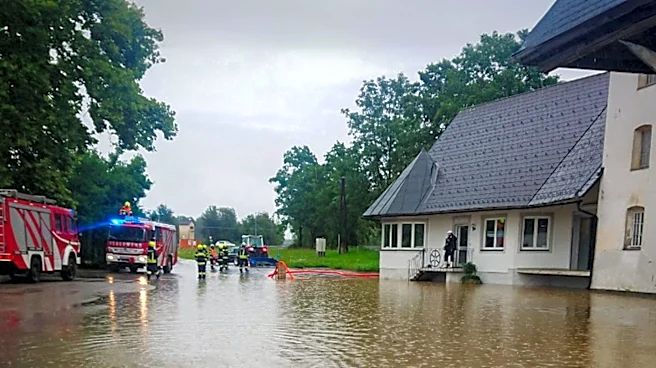
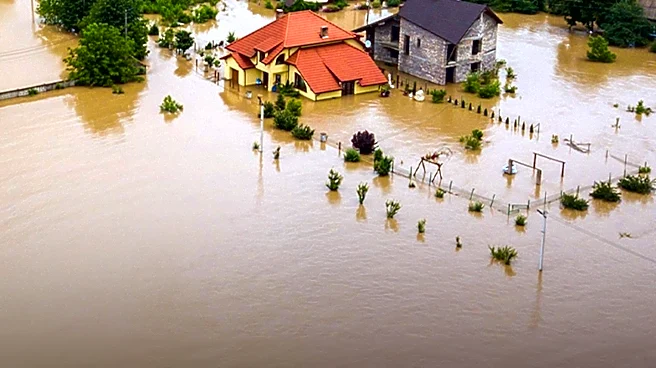
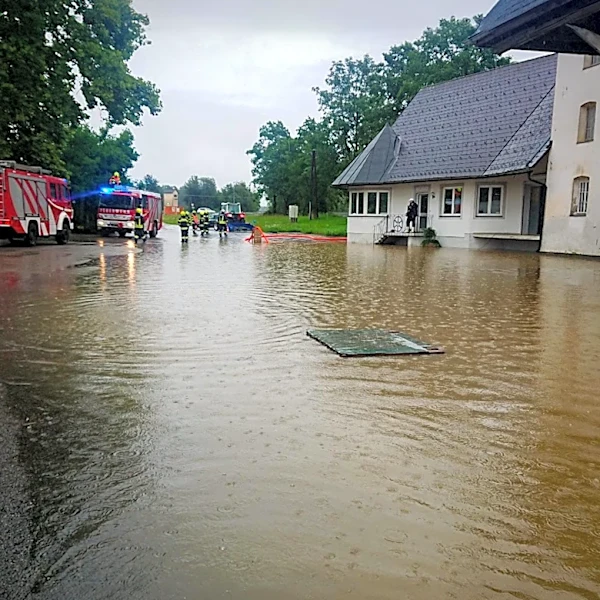
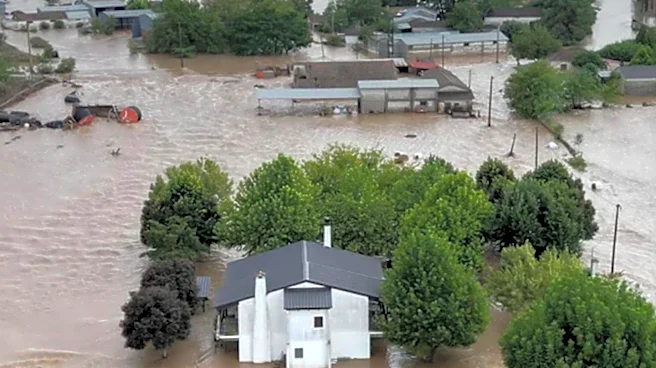
The Georgia Department of Labor (GDOL) is actively monitoring the aftermath of severe flooding that occurred in the McCaysville area on November 5, 2026. Following the disaster, Governor Brian Kemp declared a State of Emergency for Fannin, Gilmer, Murray,
and Union counties to facilitate response and recovery efforts. While Disaster Unemployment Assistance (DUA) is not currently available, as it requires a federal disaster declaration from the President that includes Individual Assistance, the GDOL is providing alternative support. Individuals whose ability to work has been impacted by the flooding are encouraged to apply for regular unemployment benefits. Employers affected by the flooding can submit employer-filed claims on behalf of their employees or advise employees to file individual claims. The GDOL is directing workers seeking assistance to the Blue Ridge Career Center for in-person help or to apply online through the MyUI Claimant Portal.
Why It's Important?
This situation highlights the critical role state labor departments play in disaster response and recovery, particularly in providing economic relief to affected workers and businesses. The distinction between regular unemployment benefits and Disaster Unemployment Assistance (DUA) is crucial; DUA offers broader eligibility criteria for those whose employment is affected by a major disaster, even if they don't typically qualify for regular unemployment. The absence of a federal declaration for Individual Assistance means that many individuals might face challenges in accessing the full scope of disaster-related unemployment support. The GDOL's efforts to guide affected individuals to regular unemployment benefits are vital for immediate financial stability, but the limitations underscore the dependence on federal action for comprehensive disaster relief. This event also emphasizes the need for clear communication and accessible resources during emergencies.
What's Next?
The Georgia Department of Labor will continue to monitor developments related to the North Georgia flooding and provide updates as more information becomes available. The availability of Disaster Unemployment Assistance (DUA) hinges on a federal disaster declaration from the President that specifically includes Individual Assistance for affected individuals. Until such a declaration is made, affected workers will need to rely on regular unemployment benefits, which may have stricter eligibility requirements. The GDOL will likely continue to offer support through its career centers and online portals, assisting individuals with the application process for regular unemployment. Businesses in the affected counties will also need to stay informed about available resources for their employees and potential employer-filed claims.
Beyond the Headlines
The North Georgia flooding incident and the subsequent response from the Georgia Department of Labor underscore the complex interplay between state and federal disaster relief mechanisms. The delay or absence of a federal Individual Assistance declaration can significantly impact the recovery trajectory of affected communities and individuals. This situation also brings to light the broader economic vulnerabilities exposed by natural disasters, particularly for hourly wage earners or those in industries heavily reliant on local commerce. The reliance on regular unemployment benefits, while helpful, may not fully address the unique challenges faced by disaster victims, such as temporary displacement, loss of documentation, or the immediate need for resources beyond income replacement. This event serves as a reminder of the ongoing need for robust and responsive disaster preparedness and relief frameworks at all levels of government.