






What's Happening?
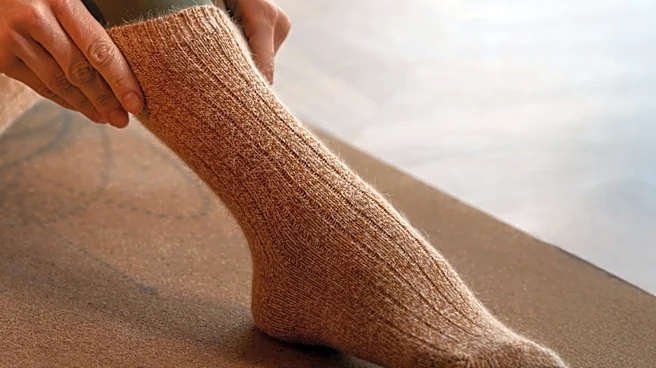
Medical compression socks are gaining recognition for their ability to support blood flow, reduce leg swelling, and prevent vein problems. These specialized garments apply graduated pressure, strongest at the ankle and gradually decreasing upwards, to assist
veins in returning blood to the heart against gravity. This mechanism helps alleviate symptoms such as ankle swelling, aching, and tired legs, and can also mitigate discomfort associated with mild varicose veins. Unlike ordinary tight socks, medical-grade compression socks are available in defined compression ranges and are designed for specific health needs, including managing swelling, supporting inefficient veins, or reducing clot risk during periods of limited movement. Healthcare professionals often recommend them for individuals with mild to moderate lower-leg swelling, varicose vein symptoms, chronic venous insufficiency, or lymphedema. They are also commonly used during pregnancy to address leg swelling and discomfort, and by individuals whose work involves prolonged sitting or standing.
Why It's Important?
The widespread adoption and understanding of medical compression socks have significant implications for public health and the healthcare industry in the U.S. By improving circulation and reducing swelling, these socks can enhance the quality of life for millions of Americans, particularly those with chronic venous conditions, pregnant individuals, and workers in professions requiring long periods of standing or sitting. The prevention of blood clots, especially during long journeys or after surgery, can reduce the incidence of serious medical complications like deep vein thrombosis, thereby lowering healthcare costs and improving patient outcomes. For industries, this means a growing market for medical-grade compression wear, prompting innovation in design, materials, and accessibility. Furthermore, increased awareness can empower individuals to proactively manage their vascular health, potentially reducing the burden on the healthcare system for preventable conditions. However, it is crucial for consumers to seek professional advice to ensure proper fitting and compression levels, as incorrect usage can be ineffective or even harmful, particularly for those with underlying conditions like peripheral artery disease or severe heart failure.
What's Next?
As awareness of the benefits of medical compression socks grows, the U.S. market is likely to see continued expansion and diversification of products. Consumers can expect more options in terms of styles, lengths (knee-high, thigh-high, full-length), and compression strengths (measured in mmHg), catering to a wider range of needs from everyday comfort to specific medical conditions. There will likely be an increased emphasis on professional fitting services, with pharmacists, nurses, vascular specialists, and trained fitters playing a more prominent role in guiding consumers. Educational campaigns from healthcare providers and manufacturers may also become more prevalent, aiming to inform the public about the correct usage, benefits, and potential risks associated with compression wear. Research into advanced materials and designs could lead to more comfortable, breathable, and effective compression garments. Additionally, the integration of compression therapy into broader wellness and preventative health strategies is anticipated, encouraging more individuals to incorporate these socks into their daily routines for long-term vascular health.
Beyond the Headlines
Beyond their immediate health benefits, the increasing use of medical compression socks reflects a broader societal shift towards proactive health management and preventative care in the U.S. This trend highlights a growing consumer demand for accessible, non-invasive solutions to common health issues. The emphasis on graduated pressure and proper fitting underscores the importance of personalized healthcare, moving away from one-size-fits-all approaches. Ethically, the accessibility and affordability of these products are crucial to ensure that all segments of the population can benefit, not just those with comprehensive insurance or higher incomes. The rise of compression wear also intersects with the athleisure market, blurring the lines between medical necessity and lifestyle choices, which could lead to both greater acceptance and potential misuse if not properly guided by medical advice. This evolution could also spur further research into the long-term effects of consistent compression wear on overall vascular health and its potential role in mitigating age-related circulatory issues.